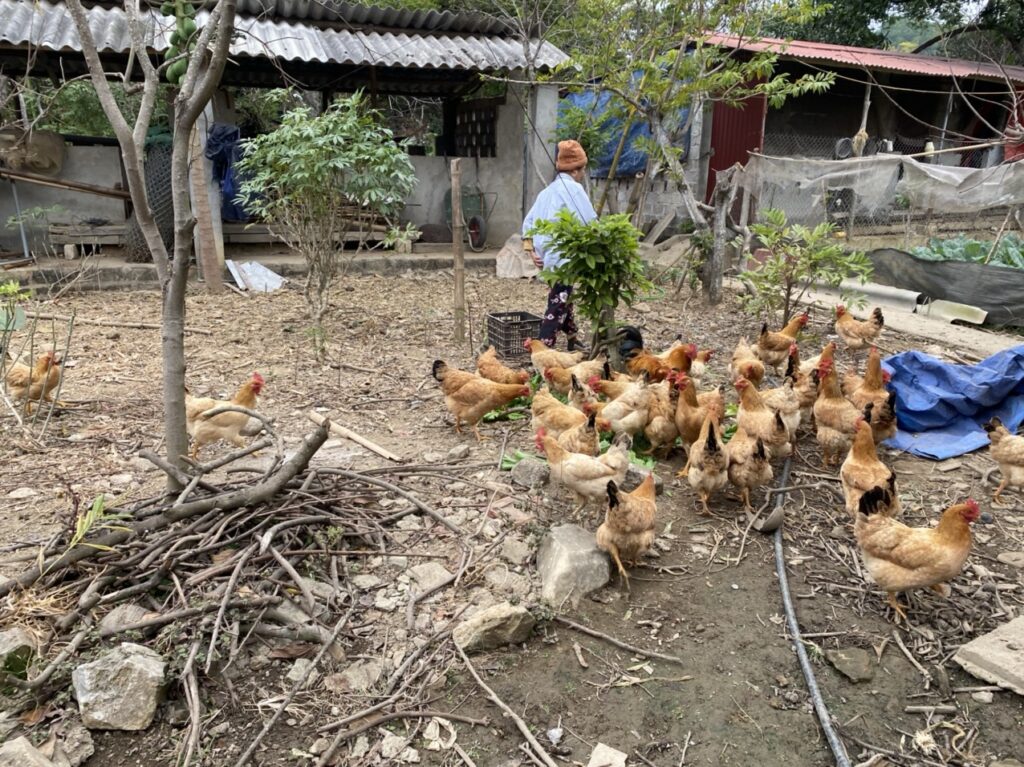
“Be in the present” might be one of the most common mental health recommendations, but what happens when that mindset is applied in the everyday practices of livestock smallholders? Although it might ease concerns in the moment, focusing only on today can create bigger problems tomorrow. In Vietnam, and in many other low- and middle-income countries (LMICs), something believed to secure the health, food security, and livelihoods of smallholders is now seriously threatening those exact same things. I’m talking about antibiotics and antibiotic resistance, one of the greatest threats to human and animal health worldwide today. And in Vietnam, the situation is urgent.
The role of antibiotics in livestock production and the resistance threat
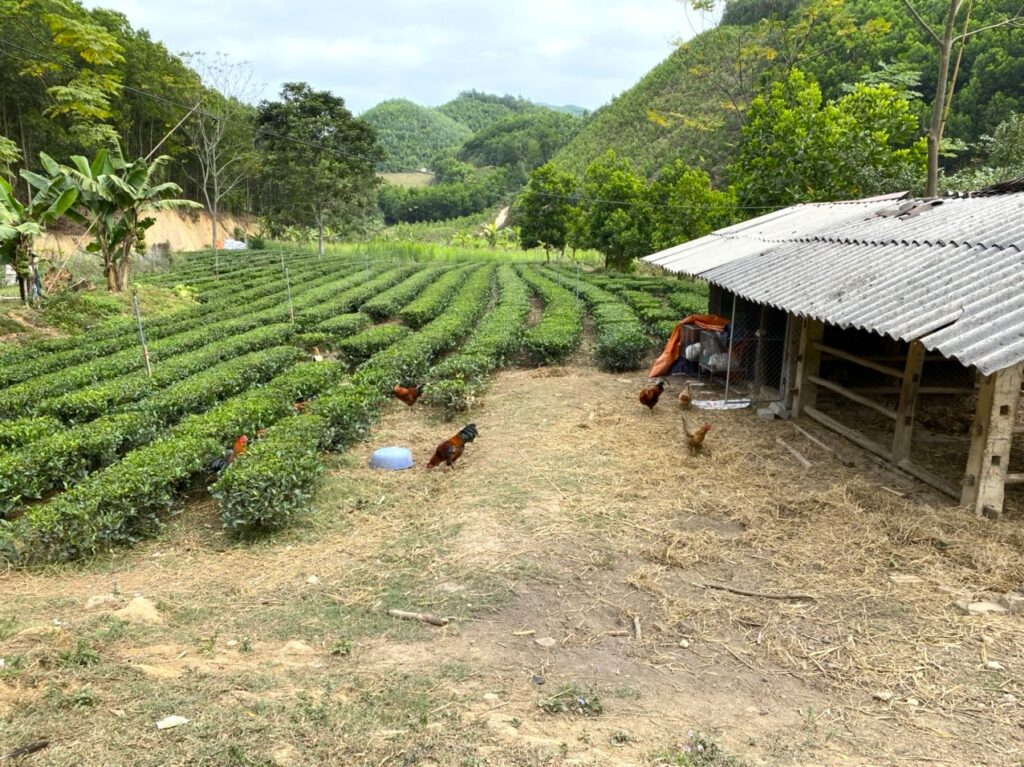
Livestock play several important roles for hundreds of millions of smallholders worldwide, including in Vietnam. They not only provide food, but are also crucial for household income, serve as an economic buffer, and help manage croplands. Also, they often hold cultural importance.
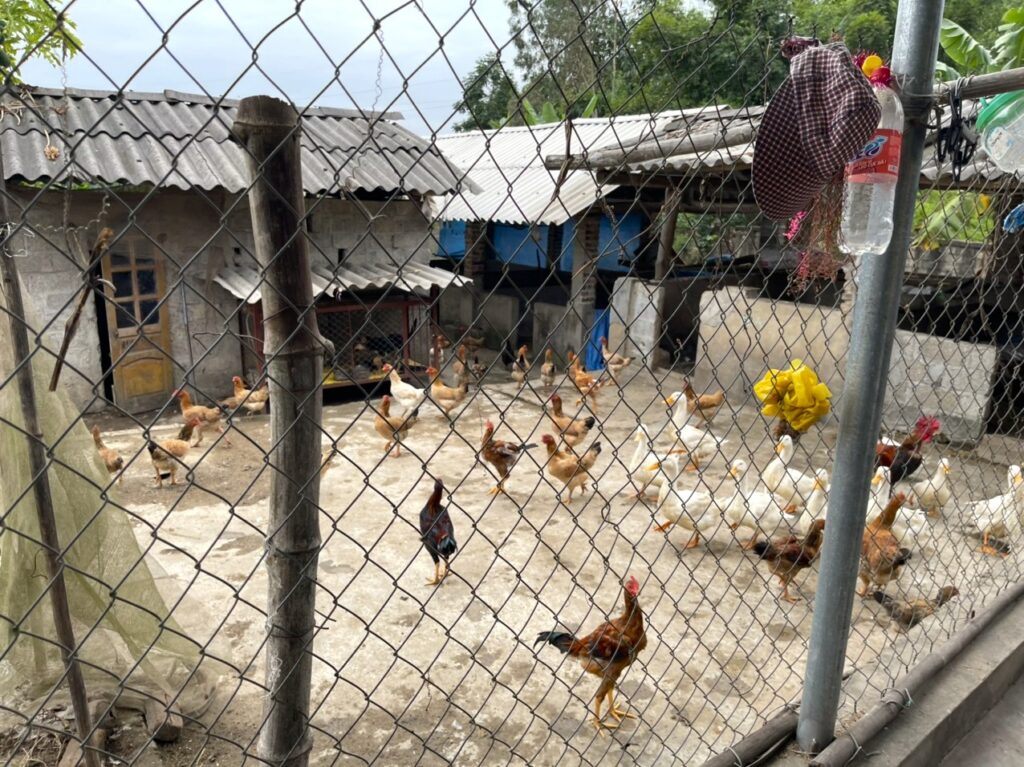
Although Vietnam’s livestock sector is still dominated by smallholders, it is shifting towards larger-scale farms, driven by an increased demand for animal-source foods. However, despite increasing animal numbers, housing and biosecurity conditions often remain basic, facilitating the spread of disease. Naturally, this creates significant insecurity for farmers, prompting them to seek resource-efficient ways to reduce disease risk.
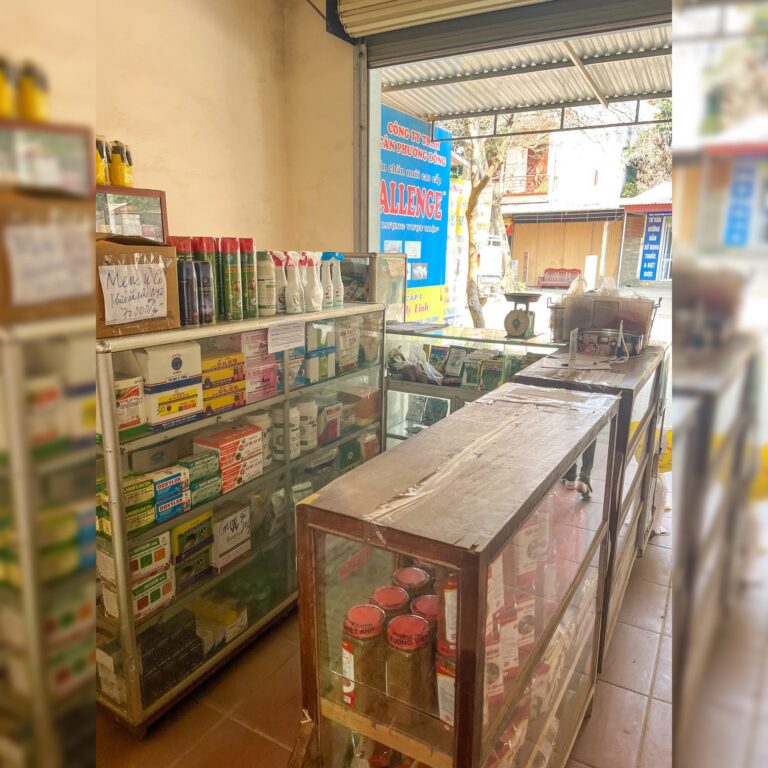
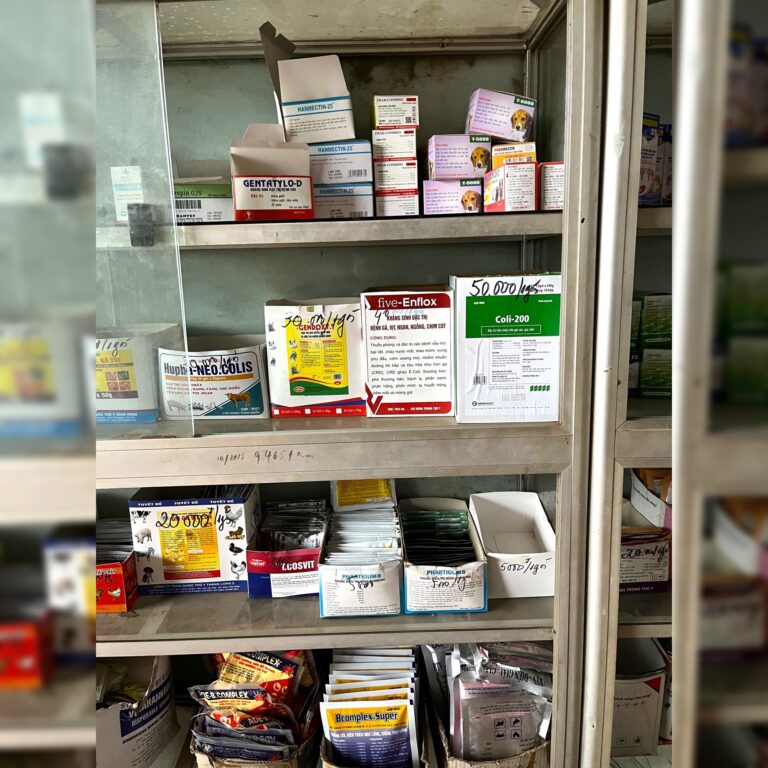
This is where the antibiotics enter the system. In Vietnam, as in many LMICs, antibiotics are widely available over the counter, and they are cheap. Hence, they constitute an easy, low-effort, and affordable insurance against livestock disease.