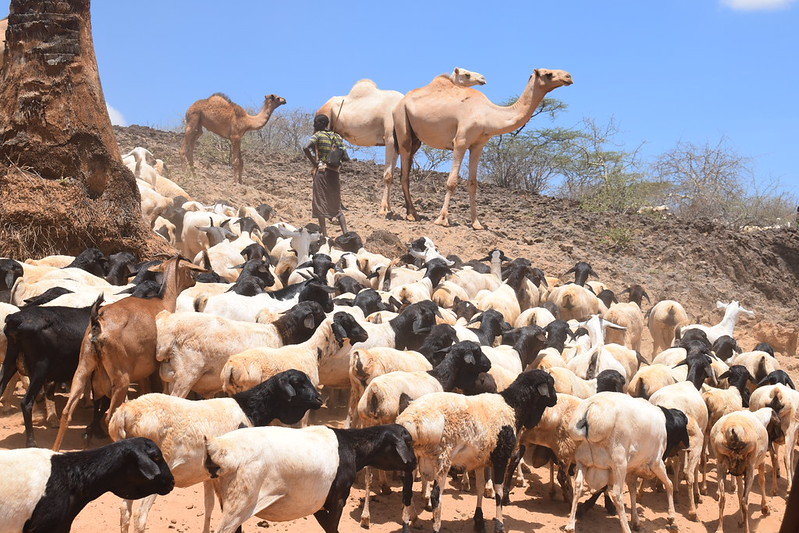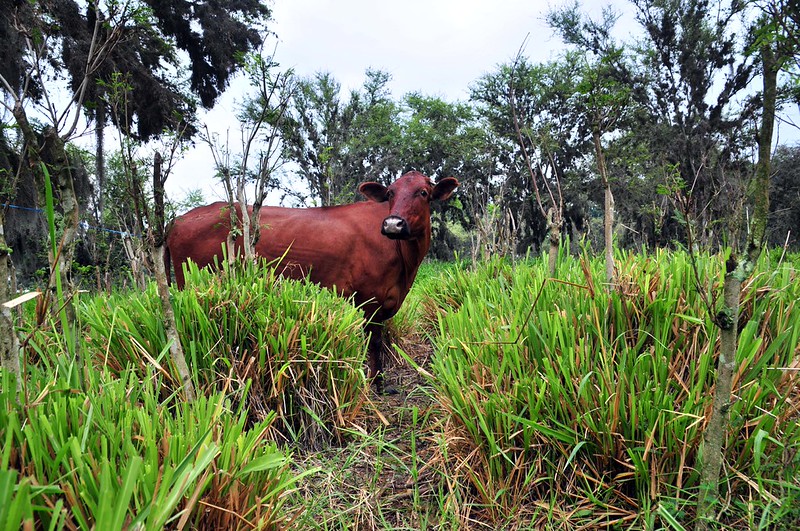
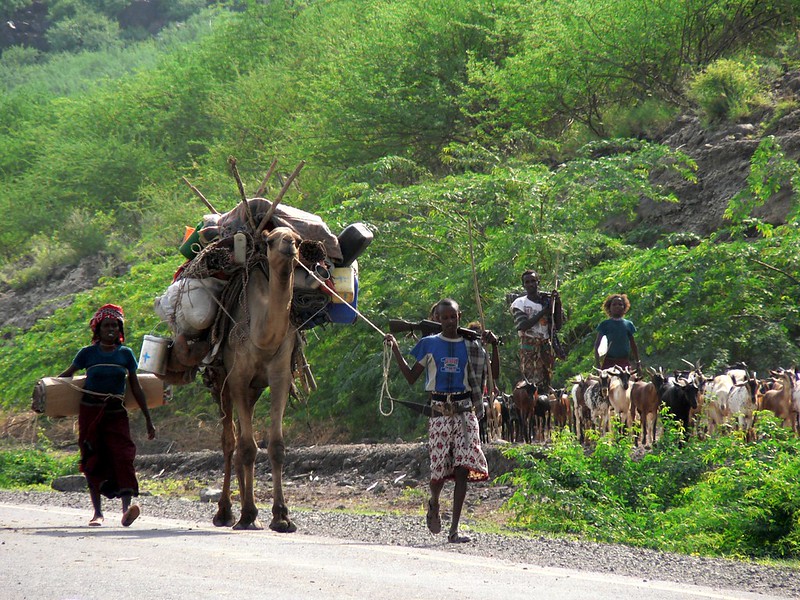
In the International Year of Rangelands and Pastoralists and in the lead-up to global milestones such as the upcoming UN Convention to Combat Desertification COP17 in Mongolia, we must confront a fundamental truth: pastoralists are not relics of the past but architects of global resilience whose knowledge and practices illuminate pathways toward more sustainable futures.
Across the world’s drylands, which cover 42 percent of the earth surface, pastoralist communities have long sustained ecosystems, preserved biodiversity, and cultivated food systems adapted to climate variability. Yet these landscapes have been persistently framed through a modernization lens that privileges agricultural and infrastructure expansion while leaving them systematically under-protected. Under current trajectories, projections indicate that by 2100, drylands will experience some degree of land conversion across 95–100% of their remaining natural habitat due to urban, agricultural and alternative energy expansion. It is time to shift that narrative.
A glimpse of hope
Mobility, integration of livestock, seasonal migration, and the preservation of indigenous vegetation are the foundations of agroecological systems in drylands. When viewed through the Principles of Agroecology, pastoralism delivers critical outcomes, including climate action through enhanced carbon sequestration in grasslands, biodiversity conservation in rangeland ecosystems, and food sovereignty for communities that manage their own production systems.
Pastoralists’ extensive and adaptive management practices continuously develop, adapt and redefine sustainable grazing systems across diverse ecosystems. For instance, Sámi herders raise semi-domesticated reindeer on tundra lichen using shovels while in the Sahel, herders move animals across borders and landscapes to access seasonal pastures. Traditional agropastoral and transhumant systems allow soils to rest and regenerate, maintain water regulation, regulate pests and diseases, support biodiversity and reduce fire risks. Research, including studies in drylands, shows that livestock grazing has the potential to regulate biomass, leading to optimal conditions for soil carbon sequestration.