Skip to content
Start of page content below the header

SIANI expert group strengthens minor use crop partnerships

Misuse and overuse of pesticides pose risks to human and environmental health, but growers across the globe face similar issues when it comes to availability of safe, effective and affordable plant protection technologies. The landscape is even more challenging for minor use crops that may have even fewer registered products to choose from and the pests and diseases themselves might be under-researched. Knowledge sharing and research, policy, and innovation partnerships can speed up the adoption of safer alternatives that protect plants, livelihoods, and the planet.

As part of the SIANI Tropical Fruits Liaison expert group, Minor Use Foundation and the International Institute of Tropical Agriculture (IITA) engaged with leading research, funding, policy, and private sector partners in Sweden and Denmark to advance collaboration on minor crops, food safety, crop improvement, and pathways for turning research into impact.
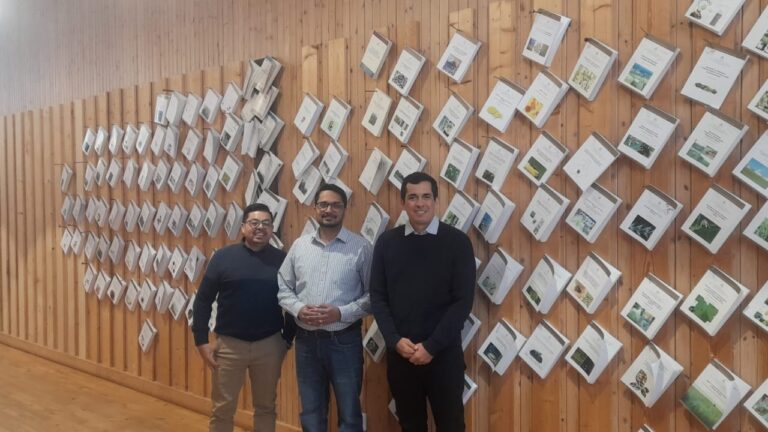
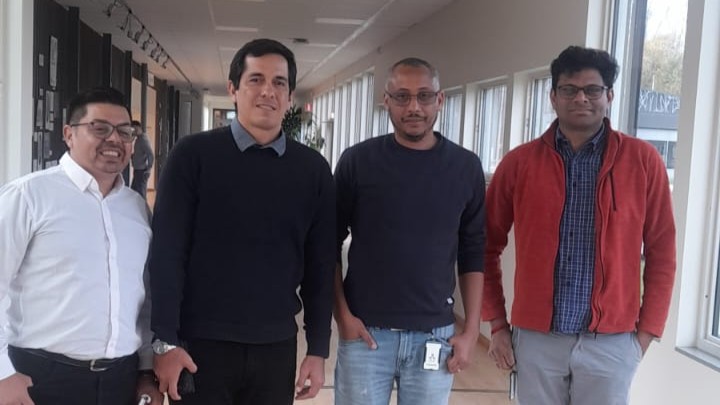
From the right: Edwin Barbosa, Regional Manager Latin America and the Caribbean, Minor Use Foundation; Dr. Akaash Chawade, Deputy Dean for Research and Infrastructure, SLU; Dr. Alejandro Ortega-Beltran, Scientist, IITA

From the right: Edwin Barbosa, Regional Manager Latin America and the Caribbean, Minor Use Foundation; Dr. Alejandro Ortega-Beltran, Scientist, IITA; Dr. Elsafy Mohammed, Researcher, SLU; Dr. Ramesh Vetukuri, Associate Professor, SLU

Innovative alternatives to conventional pesticides

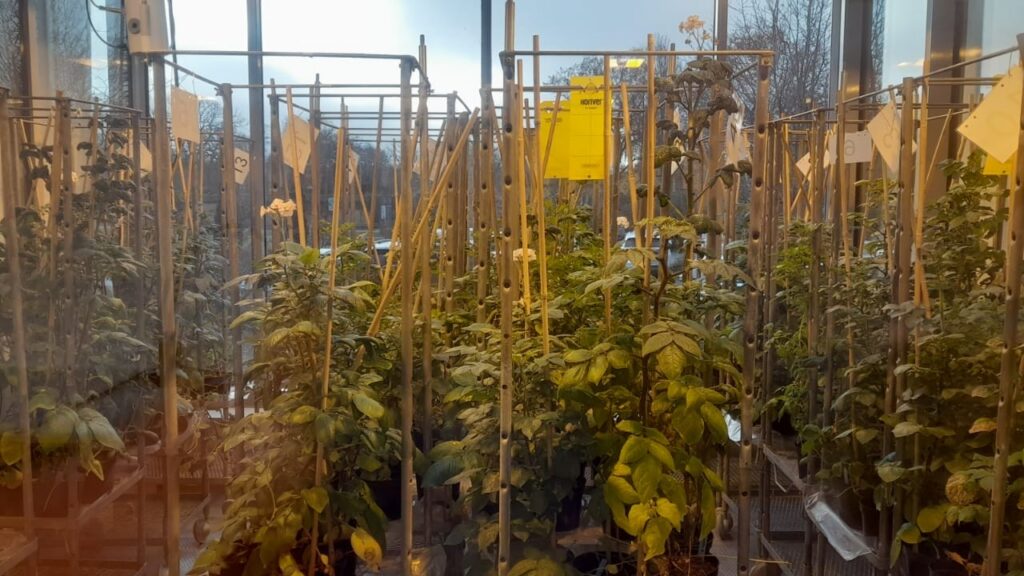
Biocontrol solutions such as microbiome-based strategies – using beneficial microbes that fight or prevent pests and diseases instead of conventional pesticides – and emerging RNA technologies offer promising, environmentally friendly alternatives. Swedish University of Agricultural Sciences (SLU) in Alnarp is already exploring these technologies for crops such as taro to improve plant health and resilience.

Dr. Ramesh Vetukuri and Dr. Elsafy Mohammed introduced their work with spray-induced gene silencing (SIGS). SIGS uses RNA interference to silence key genes in pests, viruses, or fungi to stop them from functioning effectively protecting the plant. This strategy could be of special interest for minor use crops.

A key issue for growers across contexts was the regulatory complexity surrounding microbial consortia – cocktails of strains that work together to protect the pant. Individual strains used in the mix may require separate registration, which can be disproportionately expensive and time consuming for minor crops.  Public-private partnerships can speed up solutions and adoption by aligning innovation with regulatory systems from the outset.

IITA’s experience developing and commercializing Aflasafe is a good example of a collaboration that moved biocontrol solutions from laboratory research to farmer adoption. Aflasafe was developed as a biological crop protection technology to fight against the highly toxic carcinogenic aflatoxins.  Research partners identified and trialed fungal strains to ensure safety and efficacy, regulators were involved from the early developmental phase to draft regulatory frameworks aligned with national requirements. With proof-of-concept and regulatory clearance in place, local private sector partners manufactured, distributed, and promoted the product to farmers through strong public-private partnerships. IITA’s model can provide valuable guidance for accelerating similar innovations emerging from SLU and partners.

Avenues for future collaboration: crop breeding, climate adaptation, and disease management

Aflatoxin contamination in fruit systems is also an emerging challenge in Sweden. Collaboration with IITA to learn from their experience on managing this toxin could offer valuable solutions.  Dr. Kimmo Rumpunen shared insights from applied breeding programs for apples, cherries, berries, blackcurrant, aronia, and other specialty crops adapted to Nordic conditions. Dr. Rumpunen also highlighted participatory breeding approaches and germplasm development efforts, including innovative work on aronia. Opportunities were identified for germplasm exchange which could help breed more resilient plants, reducing the need for conventional pesticides.

Dr. Akaash Chawade, Deputy Dean for Research and Infrastructure at SLU, outlined advanced breeding tools including genomic selection, high-throughput phenotyping, modelling, and drone-based disease surveillance. Disease surveillance technologies such as these will be relevant to the minor crop growers to detect early infestation and take timely action by using appropriate crop protection technologies. Future collaborations to share these technologies with developing nations will be explored with MUF and Dr. Chawade.

For the Minor Use Foundation, these discussions reinforced opportunities to support underrepresented crops such as faba bean, forage species, and root and tuber crops to encourage more research and attention on these important plants. Collaborating on generating and sharing data on what plant protection strategies work best with countries with similar interests in the global south, bringing this research to farmers and aligning it with regulatory systems that can support innovation and new technologies will be critical to strengthening minor-use crop protection strategies.

Aligning with funders early on is the best way to ensure that this essential work is sustainable long term. The Novo Nordisk Foundation has already sponsored programmes strengthening agriculture, food security, and food safety in East Africa and India. There was strong alignment on school feeding programmes, food systems transformation, and innovation platforms. With their backing, we could reconfirm the importance and role that specialty crops play in ensuring food security and nutrition.


Private sector engagement and applied innovation

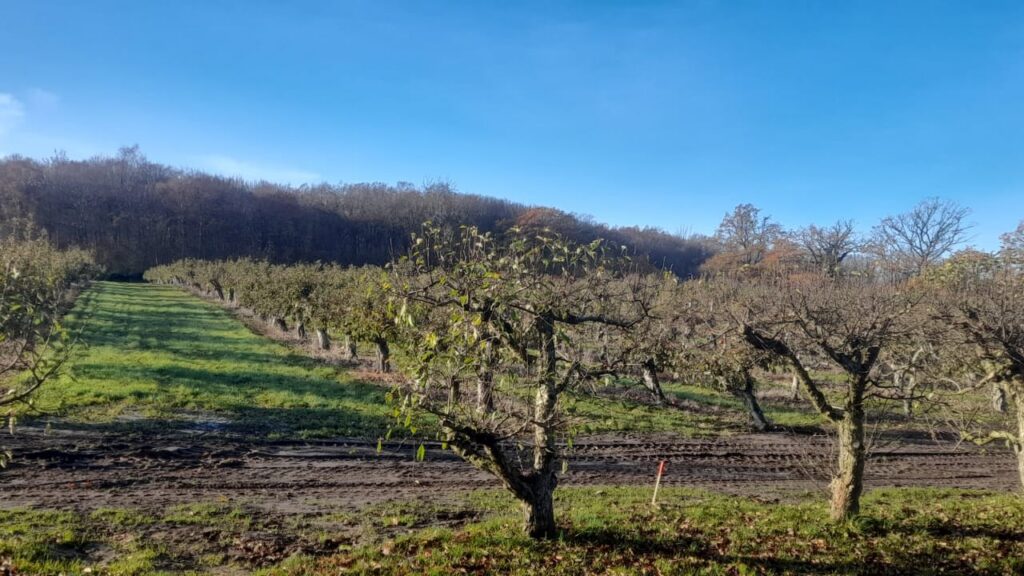
We visited Kiviks Musteri in southern Sweden to understand the cultivation, pest management and value addition practices.  The farm integrates organic and semi-organic practices, disease forecasting systems, irrigation management, and grafting techniques to maintain cultivar performance under Nordic climatic conditions. Cultivation manager Jan Jensen credited the long-standing applied research collaboration between Kiviks Musteri and SLU with driving innovation and competitiveness.

The experience shared by Kivik Musteri in participation of the EU-funded projects promoting private-sector partner was found valuable for IITA and MUF to learn and explore potential opportunities for similar collaborations with private industries in the future.

Across all engagements, a consistent message emerged: innovation must move beyond research outputs to practical deployment, supported by strong partnerships, regulatory readiness, and aligned funding strategies.

The mission strengthened institutional relationships between Minor Use Foundation, IITA, SLU, funding agencies, and policy platforms. It identified clear pathways for collaboration in biocontrol, breeding, food safety, minor crops, and food systems innovation—while reinforcing the value of integrating research, policy, and implementation from the outset.