
Skip to content
Start of page content below the header
Blog Post
15 April 2026
Author: Selorm Kugbega

A looming food system crisis, just when we managed to breathe again

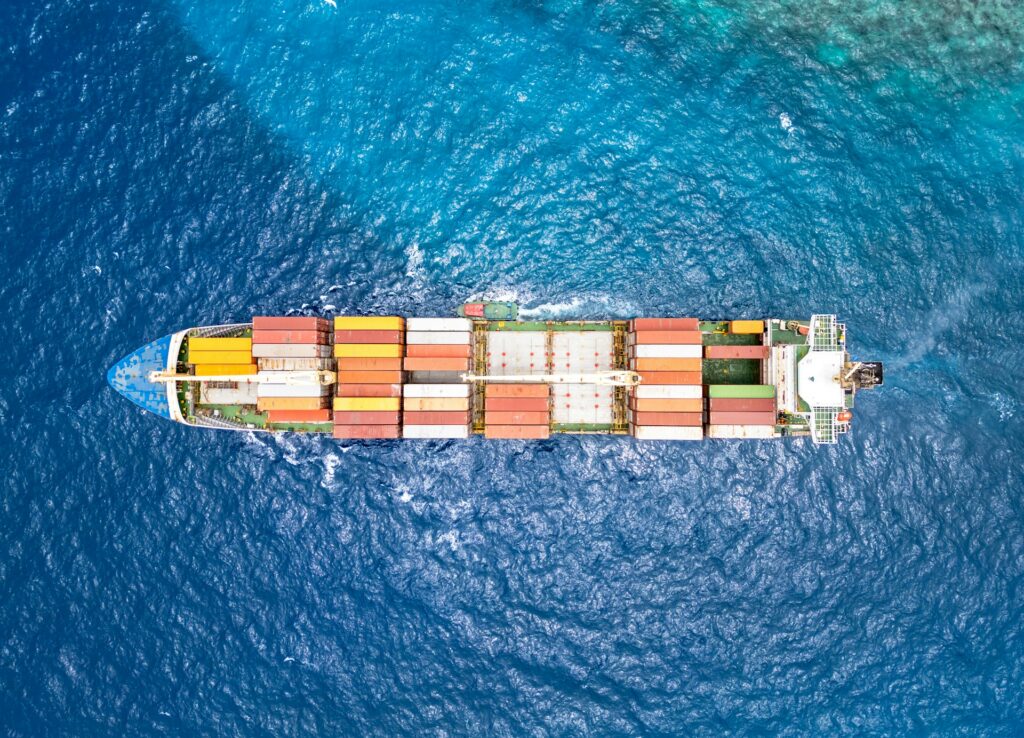
Photo by Bent Van Aeken, Unsplash.

Households globally are feeling a strain on their budgets. If it feels like we’ve been here before, that’s because we have. Barely three years after the cascading shocks of the COVID-19 pandemic and the Russia-Ukraine War disrupted global food supply chains, strained fertilizer markets, and drove prices to record highs, the global food system is once again under pressure. What was supposed to be a recovery period now looks increasingly like the calm between recurring storms.

A fragile recovery built on shaky grounds

The past few years exposed just how fragile our global food system really is. COVID-19 caused supply chain shocks of historic proportions with food shortages, and logistical bottlenecks across continents. Then came the war in Ukraine, one of the world’s key breadbaskets. Together, Ukraine and Russia account for significant shares of global exports of wheat, maize, sunflower oil, and critically fertilizers (urea, ammonium nitrate, potash and phosphate, mostly from Russia). Sanctions on Russia and reduced Ukrainian food production tightened already strained markets, sending prices soaring. Even as supply chains began stabilizing in 2023–2025, consumers and producers alike were still absorbing the aftershocks through elevated food prices and volatile input costs.

Now, a new layer of geopolitical risk is emerging, with potential to escalate shocks in an already strained global food and fertilizer market. Escalating tensions involving the United States, Israel, and Iran raise serious concerns about supply chain disruptions in critical maritime routes. The Strait of Hormuz which is currently operating at less than 10% of its capacity due to the ongoing conflict, handles roughly 1.8 million tonnes of ammonia (15% of global production) and 10.6 million tonnes of urea (21% of global production). The Suez Canal which serves as a vital route for food shipments between Europe, Asia, and Africa, accounting for 15-17% of global wheat and rice trade is also at risk. Recent threats to shipping in the Red Sea, linked to Iran-aligned militant group, have already forced rerouting of vessels away from the canal, increasing transport costs and delays.

These vulnerabilities are further compounded by structural issues within the fertilizer market itself. Production is highly concentrated geographically and among corporate actors, with a small number of countries and firms dominating global supply. In times of crisis, major producers such as China and Russia are also suspected of hoarding fertilizers in anticipation of increased food crises. While this safeguards their local populations, it effectively reduces the tradeable volumes of fertilizer contributing to price increases. At the same time, government input subsidy and agriculture commercialization policies have contributed to long-term input dependency. In many African countries, such policies have made smallholder farmers and entire economies engaged in production of export crops such as tea, coffee, tobacco, avocado, citrus and cotton highly reliant on affordable fertilizer imports, leaving them especially exposed to price shocks when disruptions occur.

Impending food insecurity risks for both wealthy and low-income countries

The risks of compounding crises brought by threats to major maritime routes are multifaced and unevenly distributed across different regions:

Food import dependent countries: According to IFPRI, fertilizer prices more than doubled between 2020 and 2022, and have remained 50-100 higher than pre-pandemic levels with lingering volatility. When fertilizer becomes scarce or expensive, farmers reduce usage, yields decline, and food prices rise; creating cascading effects of higher food prices throughout the entire global food system. Such disruptions can have particularly devastating effects for import-dependent countries such as Gulf states, presenting food security risks for both nationals and the large international workforce from Asia and Africa for whom food constitutes an increasing share of their incomes.

Net food export countries in Africa: Countries dependent on the strait of Hormuz face a double burden. They face higher fertilizer prices which contribute to lower yields, exacerbating food insecurity in already constrained countries such as Sudan and Tanzania. At the same time, disruptions constrain their ability to export food, in many cases fresh and industrially processed produce. Reports from Kenya and Tanzania already point to warehouses filling up with tea and avocado produce which face risks of spoilage due to short shelf life. This reduces incomes for smallholder farmers and their capacity to provide their families with nutritional food.

Food crises risks are almost a given, but we may also have a health crisis on the Horizon

Domestic policy decisions are adding another layer of complexity. In the United States, the conflict has led to easing of restrictions on elemental phosphorous  and Glyphosate-based herbicide production for both agricultural and defense purposes. Glyphosate, one of the most widely used herbicides globally, remains highly contested. While it plays a central role in modern industrial agriculture as a weed control agent, concerns about its potential health impacts persist.

Glyphosate has been the subject of ongoing litigation over potential health risks  including cancer claims. The International Agency for Research on Cancer and Centre for Food Safety have however consistently warned about the carcinogens in glyphosate, calling for its ban. Beyond human health, widespread glyphosate use also raises concerns about environmental degradation, including soil health and biodiversity loss.

At the household level, health risks are also likely to manifest in the form of malnutrition. Low-income households, particularly in export-dependent regions, face a dual impact; reduced income and rising costs of food and fertilizers to keep their farms productive. This combination can increase the risk of malnutrition and undermine long-term health.

What next: We can’t be sitting ducks affected consistently by every wave of crises.

The global food system is stuck is a loop comprising: a major disruption (pandemic, war, climate event), supply chain breakdown, price spikes and food insecurity, partial recovery and another major shock. As long as agriculture remains heavily dependent on external inputs such as synthetic fertilizers, the system will remain vulnerable to geopolitical instability and market volatility. Breaking this cycle requires structural change; diversifying fertilizer production and supply chains.

At the same time, scaling-up agroecological practices such as cover cropping and improved fallowing periods with nitrogen fixing plants, offers a pathway to greater resilience. Other practices include small-scale fertilizer production; strengthening bioeconomy systems to localize circular nutrient flows and facilitate biochar and bio-input production; and bolstering regional food trade around low-input staple crops such as millet, sorghum and root tubers, can further reduce dependence on external inputs. While these shifts need long-term investment and coordinated policy support, they show that viable, more sustainable alternatives already exist.


Related content

10 March 2023

5 April 2022