Skip to content
Start of page content below the header

From Struggle to Strength: The Story of Paran Women Group

Women from the Paran Women group stand outside their community resource centre. Founded in 2005, Paran Women Group brings together indigenous women from the Maasai and Ogiek communities in Narok County, Kenya – and recently included youth to ensure longevity. Today, it has grown to 64 women groups with 3,816 members. These indigenous women are applying Agroforestry for a sustainable livelihood.

Photo by: David Maeri / Vi Agroforestry

SIANI Expert Group on Drylands Agroforestry member Nayan Kiplagat is the Founder and Director of the Paran Women Group. Established in 2005, it has grown to over 3000 members and was recently recognized by the FAO as one of ”global forestry champions that have made outstanding contributions to sustainable forest management and agrifood systems transformation”.

This story originally appeared on Vi Agroforestry and is republished here with permission.

In the drylands of Narok County, Kenya, life has always been shaped by harsh realities — unpredictable rains, shrinking harvests, and the growing impact of climate change. For women, these challenges have been compounded by limited economic opportunities, gender-based violence, and the responsibility of keeping their families fed. 

In 2005, a group of women decided to change this reality. Led by Nayan Kiplagat, they came together to form the Paran Women Group — an Indigenous women’s organization bringing together members of the Maasai and Ogiek communities. Today, Paran has grown into a powerful network of 64 women’s groups with 3,816 members, and recently welcomed youth to ensure sustainability for generations to come. 

“We used to have trouble with money to run the home. Now we have enough from our own projects to buy sugar, salt, and support our families,” says Nayan Kiplagat, Founder and Director of Paran Women Group. 
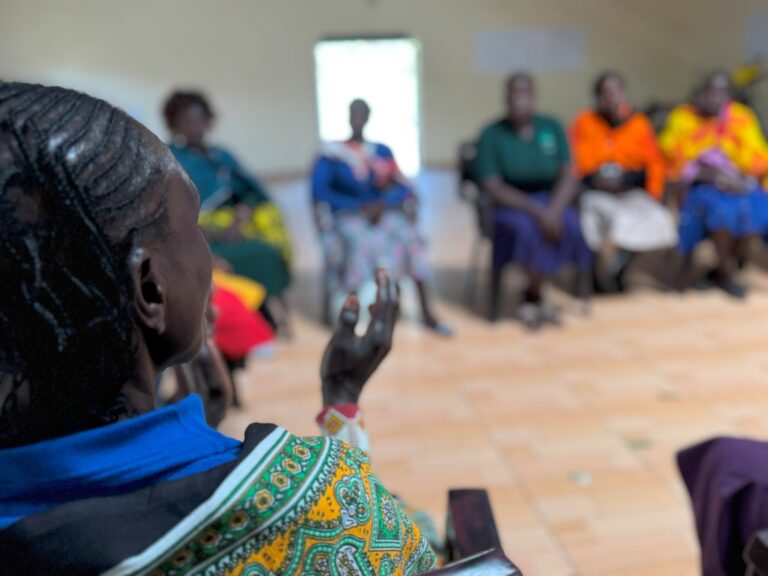
Women from the Paran Women group meet in their community resource centre.

Photo by: David Maeri / Vi Agroforestry

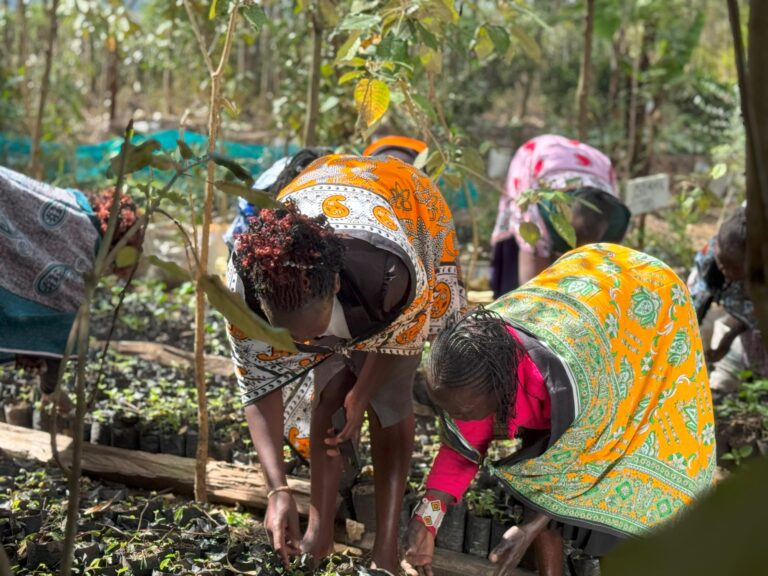
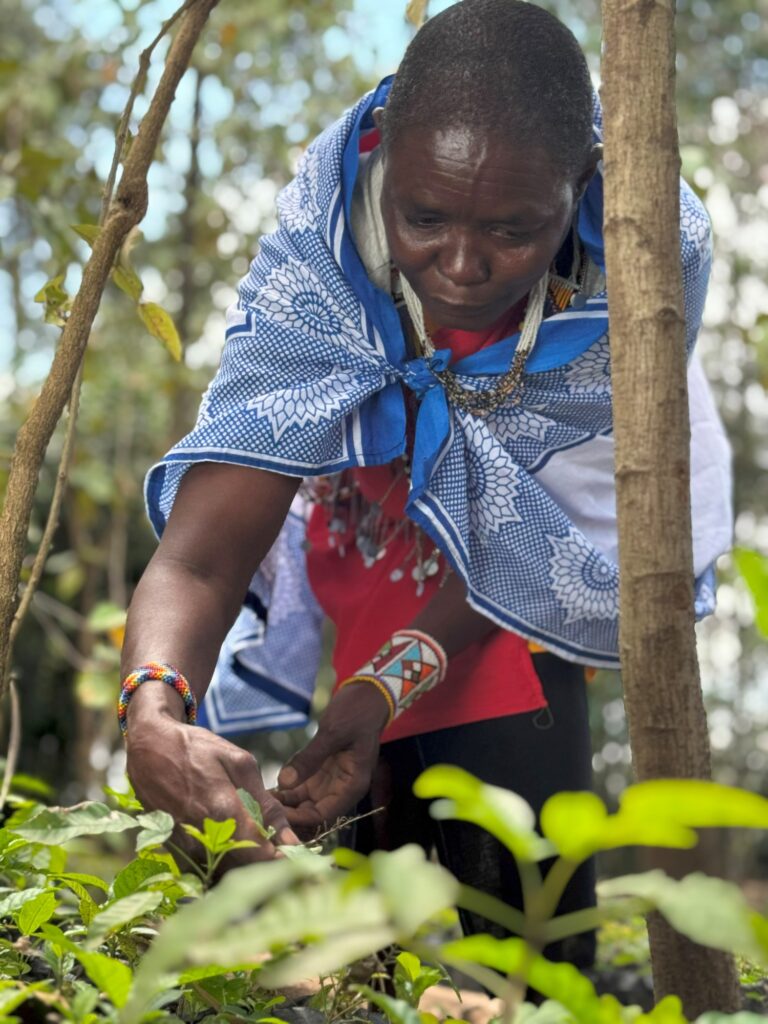
Women form the Paran Women group work on their tree nursery at their community resource centre.

Photo by: David Maeri / Vi Agroforestry

Building Resilience in the Drylands

Kingasunye Naiguta – Board Member, Persons Living With Disability Representative stands next to a botanical garden at the community resource centre for the Paran Women Group.
Location: Narok, Kenya

Photo by: David Maeri / Vi Agroforestry

Photo by: David Maeri / Vi Agroforestry

Narok County is one of Kenya’s driest regions, where food and nutrition security is a daily struggle. Forest destruction and charcoal burning have further degraded the land, leaving communities vulnerable to hunger and poverty. Paran Women Group has made it their mission to restore the land and secure livelihoods through: 

  • Agroforestry and sustainable agriculture
  • Beekeeping
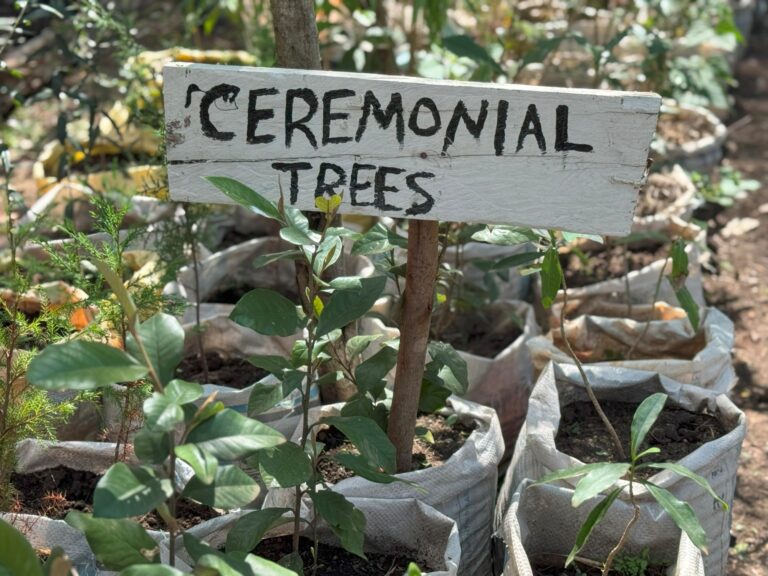
  • Indigenous tree nurseries
  • Women’s empowerment and leadership development
  • Community resource centers

With 11 board members, including representatives for women with disabilities and resource mobilization, Paran ensures inclusivity and diverse leadership in decision-making.

Impact Beyond Households

Photo by: David Maeri / Vi Agroforestry

Photo by: David Maeri / Vi Agroforestry

Through their projects, members of Paran Women Group are earning an income, sending children to school, and ensuring families have enough to eat. The group’s initiatives are also restoring degraded land, contributing to climate resilience in Narok. 

But their impact goes beyond their own households. Women like Kingasunye Naiguta, Board Member and Disability Representative, and Noolarami Gimorko, Board Member in charge of Resource Centers, are helping to spread knowledge to others in the community. By sharing skills in agroforestry, indigenous seed saving, and climate-smart farming, Paran is inspiring more families to join the movement. 

A Vision for the Future

For Paran Women Group, this is only the beginning. Their dream is to expand their projects and resource centers, empower more women and youth, and continue restoring the environment for future generations. 

Their journey is a testament to resilience, unity, and the power of women to transform not just their homes, but entire communities.