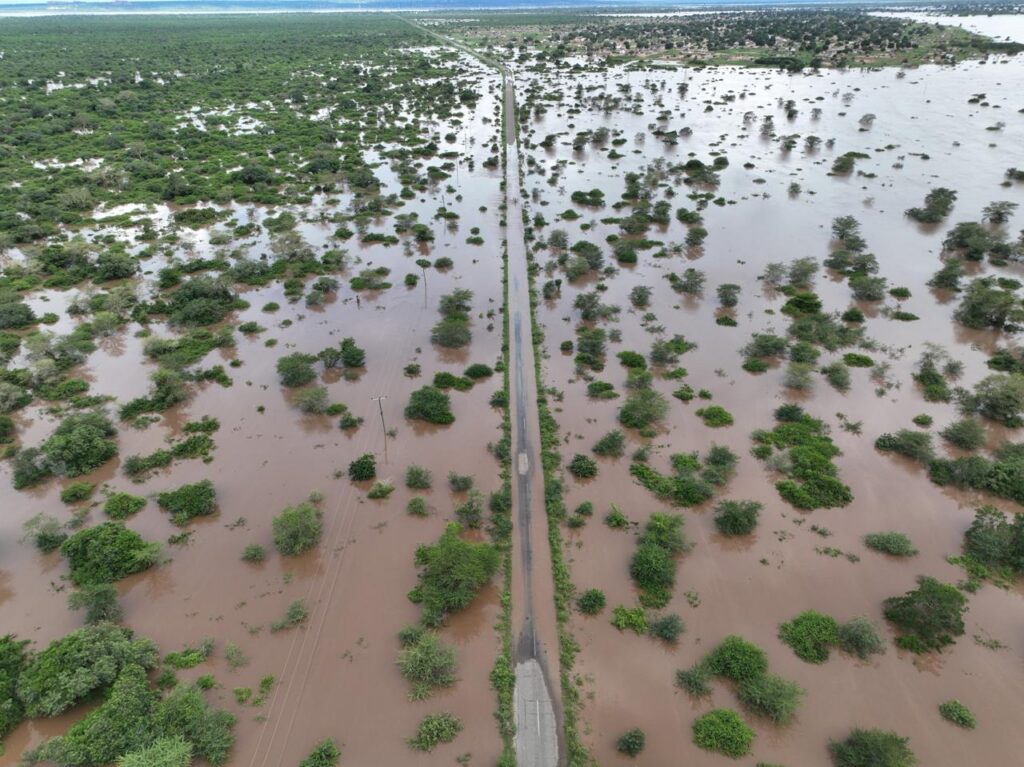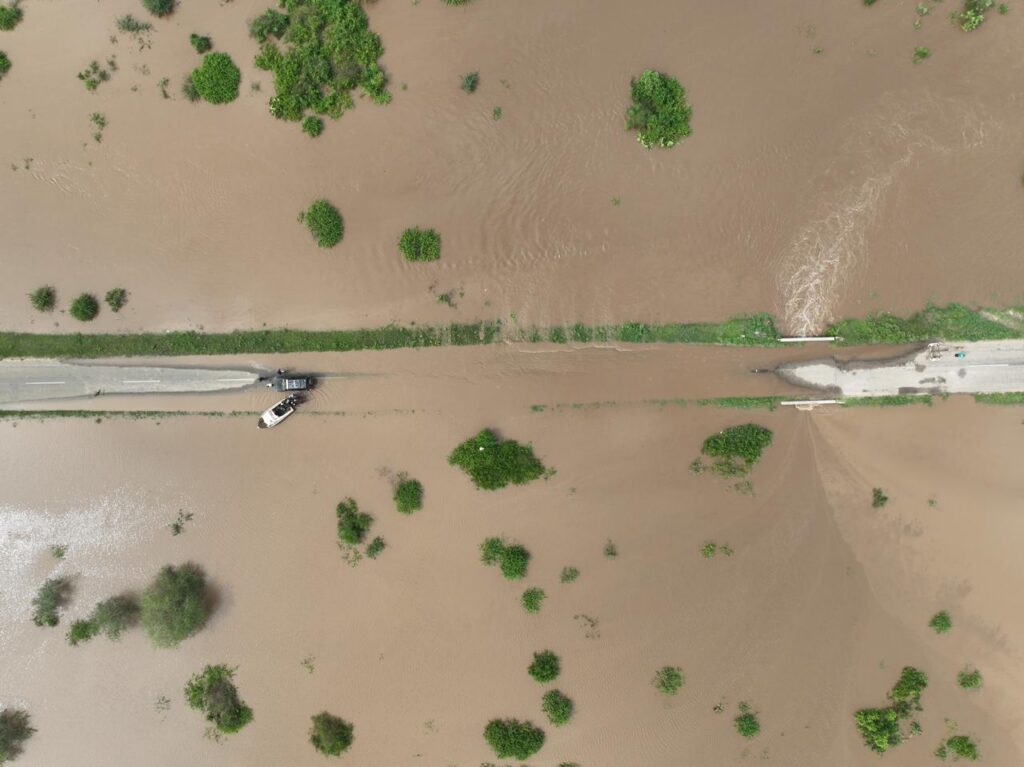
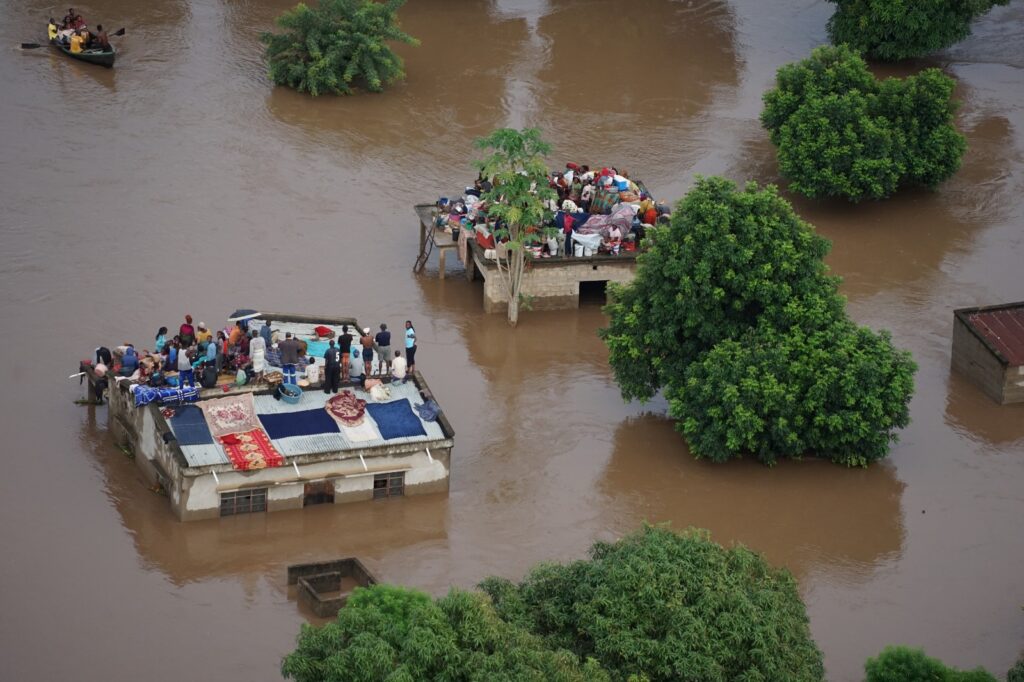
In early 2026, Mozambique experienced the worst floods the country has seen in more than 30 years. For a country already facing deep structural poverty, high climate vulnerability and persistent food insecurity, the floods have further exacerbated an already fragile situation. The direct impacts have been severe, contributing to a growing humanitarian crisis, with no clear end in sight.
As a part of my ongoing work at the Food and Agriculture Organization of the United Nations (FAO), as an intern on environment and natural resources management, I have been able to gain some insights from the ongoing emergency response efforts. What we are currently witnessing in Mozambique is not only a climate shock, but a major disruption to an already fragile agrifood system.
Mozambique is considered a low-income, food-insecure, and food-deficient country, with approximately 82 percent of its population living in extreme poverty. Between October to March 3.5 million people faced acute food security. Around 72 percent of children are malnourished, and 37 percent of children under 5 are stunted, reflecting a situation in which structural vulnerabilities affect large part of the country.
The country also faces simultaneous crises. While central and southern regions are coping with severe flooding, the Northen region continues to experience long-term, conflict driven displacement, placing additional strain on humanitarian response capacity. At the same time, funding shortfalls across humanitarian operations are forcing significant cuts to assistance, further limiting the scale of the response.
The floods struck during the peak of the main agricultural season, when crops are most vulnerable. According to a rapid analysis from FAO, at least 313 051 hectares of cropland have been exposed to floodings, impacting more than 871 000 people. Approximately 392 000 people are displaced, particularly in Gaza province, with Maputo and Sofala province also heavily impacted.