Skip to content
Start of page content below the header
Blog Post
4 May 2026

Antibiotic resistance in Vietnamese livestock – the urgency, challenges, and possibilities

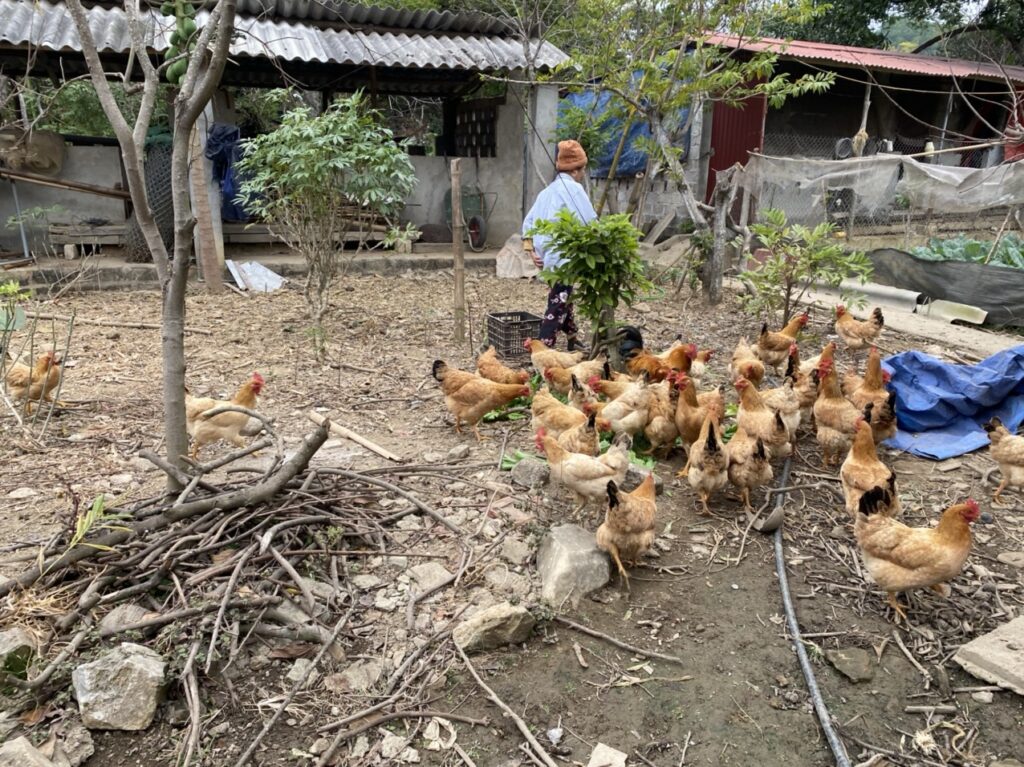
Vietnamese poultry farm. Photo by Ms. Luu Thi Hai Yen, National Institute of Veterinary Research, Hanoi.

“Be in the present” might be one of the most common mental health recommendations, but what happens when that mindset is applied in the everyday practices of livestock smallholders? Although it might ease concerns in the moment, focusing only on today can create bigger problems tomorrow. In Vietnam, and in many other low- and middle-income countries (LMICs), something believed to secure the health, food security, and livelihoods of smallholders is now seriously threatening those exact same things. I’m talking about antibiotics and antibiotic resistance, one of the greatest threats to human and animal health worldwide today. And in Vietnam, the situation is urgent.

The role of antibiotics in livestock production and the resistance threat

Livestock play several important roles for hundreds of millions of smallholders worldwide, including in Vietnam. They not only provide food, but are also crucial for household income, serve as an economic buffer, and help manage croplands. Also, they often hold cultural importance.

Although Vietnam’s livestock sector is still dominated by smallholders, it is shifting towards larger-scale farms, driven by an increased demand for animal-source foods. However, despite increasing animal numbers, housing and biosecurity conditions often remain basic, facilitating the spread of disease. Naturally, this creates significant insecurity for farmers, prompting them to seek resource-efficient ways to reduce disease risk.

This is where the antibiotics enter the system. In Vietnam, as in many LMICs, antibiotics are widely available over the counter, and they are cheap. Hence, they constitute an easy, low-effort, and affordable insurance against livestock disease.
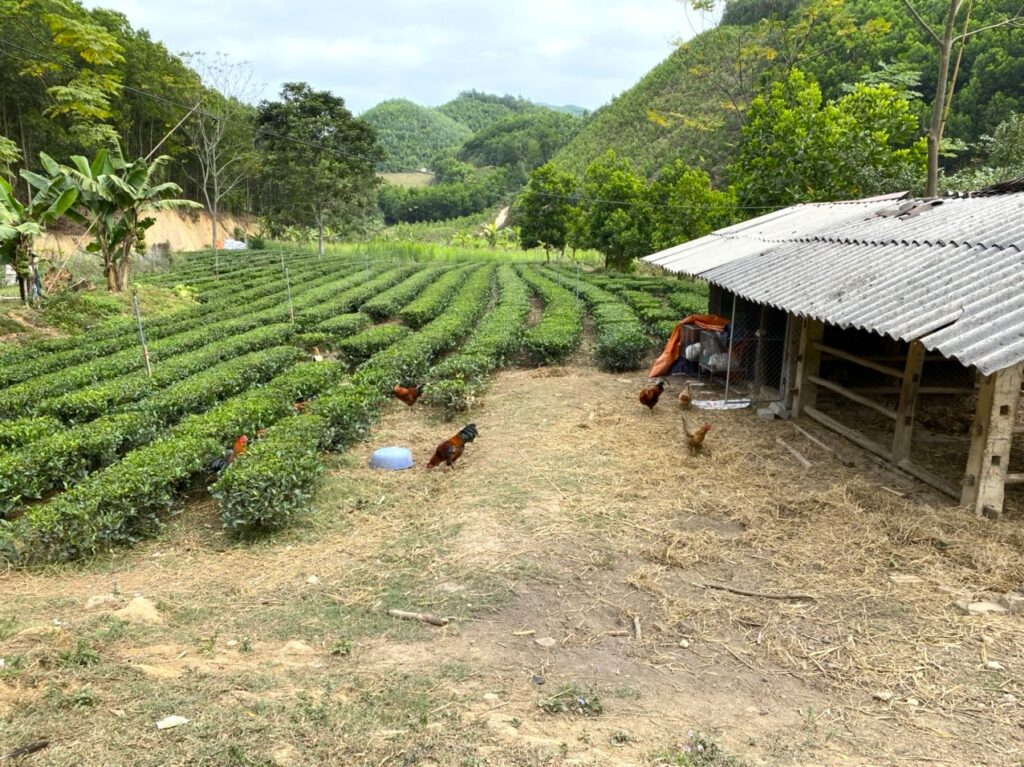
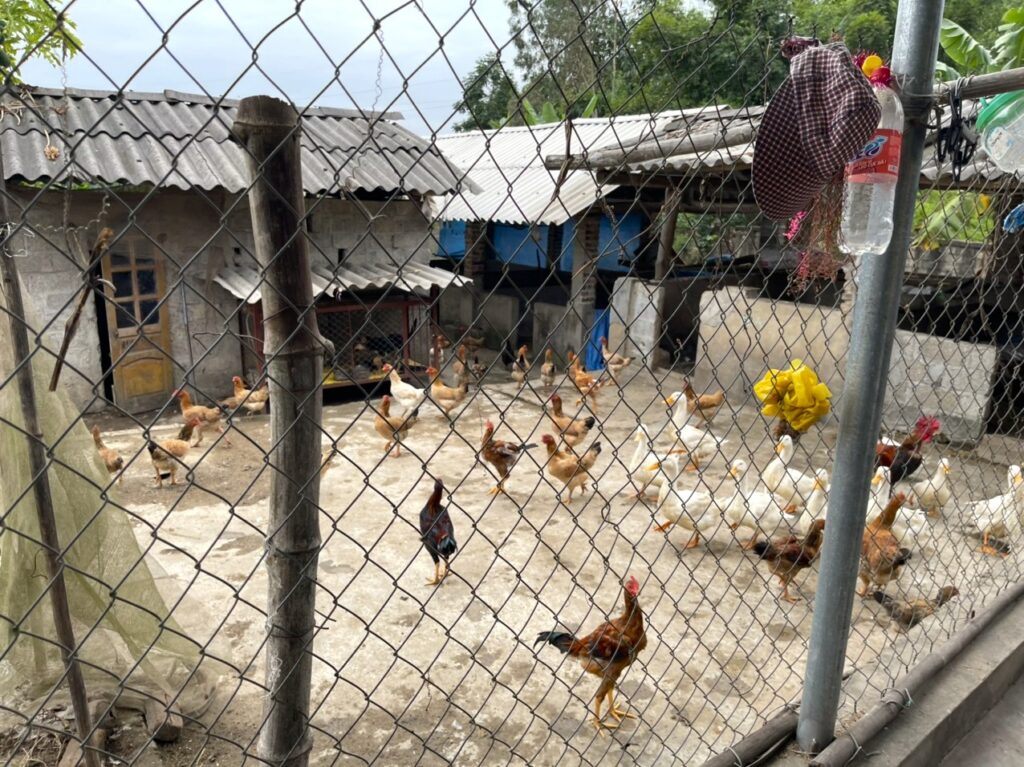
Vietnamese poultry farm. Photo by Ms. Luu Thi Hai Yen, National Institute of Veterinary Research, Hanoi.

The problem is that the more antibiotics are used, the more antibiotic-resistant bacteria develop. In response to antibiotic exposure, bacteria evolve resistance mechanisms to protect themselves from this attack. When disease-causing bacteria become resistant, the antibiotic treatment that once worked becomes ineffective, resulting in increased disease and mortality. This in turn has a negative impact on livestock health and wellbeing, as well as the food security and nutrition, and livelihoods of farmers.

The drivers of antibiotic use in small-scale poultry production in Vietnam

If excessive or unnecessary antibiotic use drives resistance, why not simply stop? Well, it’s not that simple. Antibiotic use is shaped by multiple, context-specific drivers that often differ between farmers. So how do we approach this to achieve a sustainable and lasting transformation of farming practices?

Through research we can identify those drivers, and also the barriers and possibilities for change. Another tough nut to crack is to understand to which extent individual farm practices are actually linked to the antibiotic resistance seen on farms.

We approached these questions by conducting an extensive questionnaire-based study among Vietnamese small-scale poultry producers, combined with sampling of their chickens to assess antibiotic resistance.

Small-scale poultry farm in Vietnam. Photo by Ms. Luu Thi Hai Yen, National Institute of Veterinary Research, Hanoi.

We found that various farm(er) characteristics, such as farmers’ age, gender and education, purpose of chicken keeping, and farm size, were associated with how well farmers worked with disease prevention and handling, including how they used antibiotics. We also found associations between such factors and how much farmers knew about antibiotics and resistance. In addition, several disease-preventive practices and knowledge gaps were identified that can be addressed in future interventions.

However, when comparing the farmers’ practices and knowledge with the antibiotic resistance on their farms we found no clear link, i.e. chickens belonging to farmers that performed better practices or knew more did not have lower resistance. What does this tell us? Well, it certainly highlights the complexity of antibiotic resistance. While high and (often) unnecessary on-farm use of antibiotics needs to be reduced, other drivers, such as environmental factors need to be acknowledged and investigated further.

Furthermore, we identified a more system-related driver of antibiotic use: the risky combination of low access to veterinary services and easy access to over-the-counter antibiotics. This highlights the critical role of veterinary drug shop staff in relation to antibiotic use.

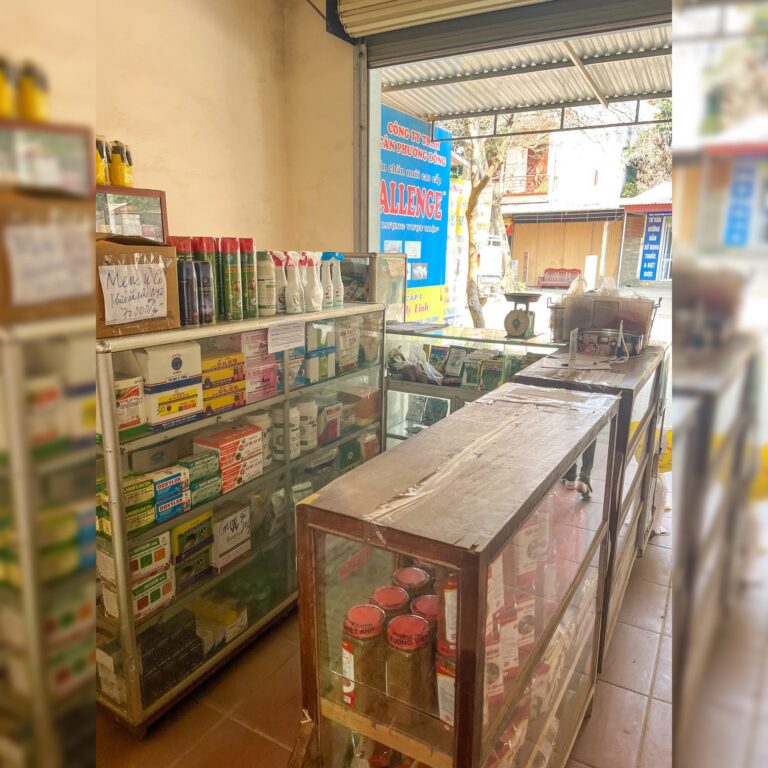
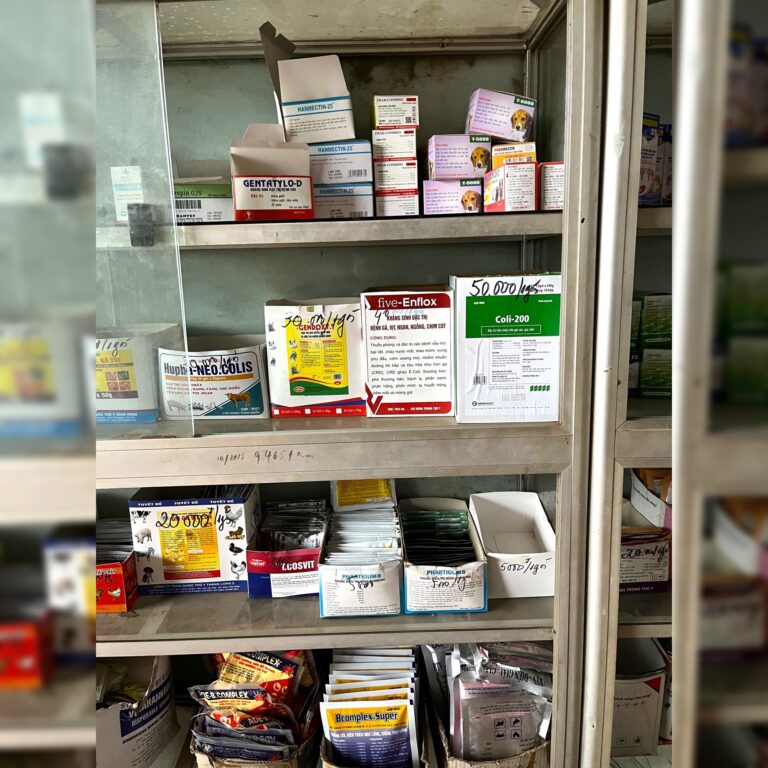
Veterinary drug shop in Vietnam. Photo by Sandra Nohrborg.

Veterinary drug shop in Vietnam. Photo by Sandra Nohrborg.

To explore this further, we conducted a questionnaire-based study among veterinary drug shop staff where we examined their antibiotic sales routines and their knowledge about antibiotics and resistance. Perhaps, one might expect that excessive antibiotic sales stems from lack of education or knowledge; however, our findings suggest that this is not the case in this region.

Drug shop workers were generally very well-educated and knowledgeable – many where in fact retired veterinarians. Yet, antibiotics were widely sold for both for treatment and prevention. Why? Suggested reasons include financial incentives, old habits, and limited education on the regulatory framework. As private businesses, these shops depend on sales, and the most commonly sold drug category in most shops was antibiotics. So, it makes sense that meeting farmer demand is important for drug sellers to secure their income and to remain competitive. However, the increased understanding of the role of these drug shop workers in relation to farmers also shows that there is great potential here to increase their involvement in the fight against antibiotic resistance in Vietnam.

The road ahead

So, where do we go from here? The more you learn, the clearer it becomes that there is no simple solution. Antibiotic use is driven by complex, interconnected, and multi-level factors involving multiple stakeholders, from policymakers to individual farmers. On top of that, the biological processes involved in the development and spread antibiotic resistance are intricate. This complexity can feel discouraging. However, our research highlights plenty of opportunities for improvement towards more sustainable farming practices. These include targeted educational interventions, stronger veterinary services for smallholders, improved relationships between actors, enhanced regulatory monitoring, and better use of the competence and services within veterinary drug shops.

In conclusion, while the challenges may be substantial, meaningful progress is possible. If insights and practical recommendations are adequately communicated to policymakers (see policy brief here), the research has the potential to be translated into better policies and practices; ultimately improving the short- and long-term health and wellbeing of both humans and animals.

Sandra Nohrborg is a veterinarian and researcher at the Department of Clinical Sciences, Swedish University of Agricultural Sciences (SLU). In November 2025, she defended her doctoral thesis, which was focused on antibiotic resistance in livestock production in low- and middle-income countries. More specifically, she examined antibiotic use and resistance in Vietnamese small- and medium-scale poultry farming.