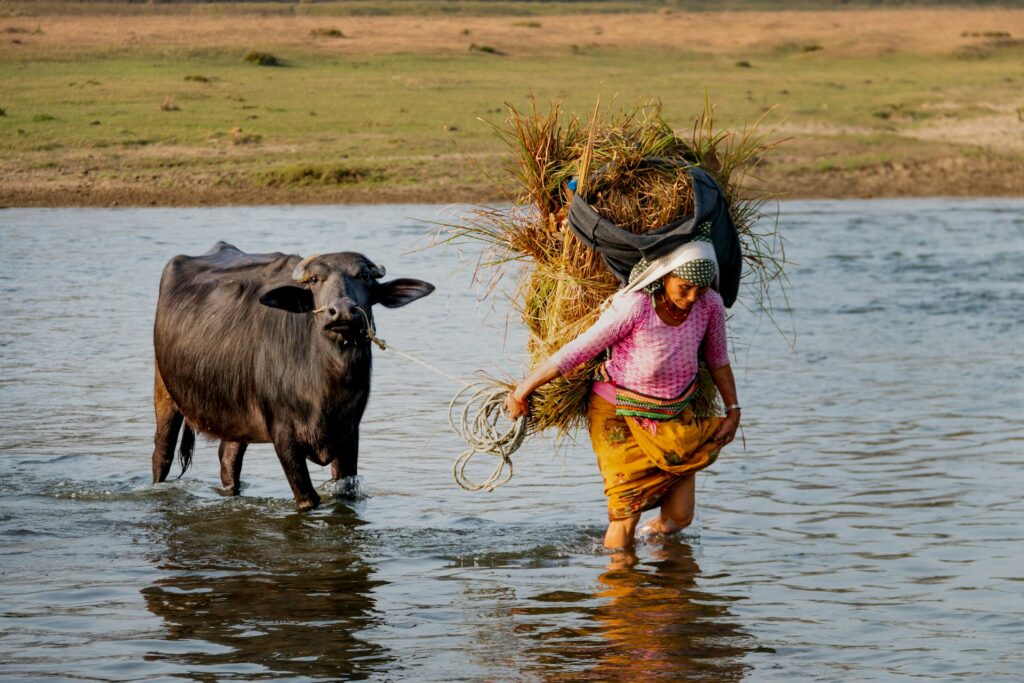
Rural women produce a significant share of the world’s food, sustain local economies and safeguard ecosystems. Yet across continents, from Africa to Europe and Asia, their contributions remain undervalued and constrained by structural inequalities.
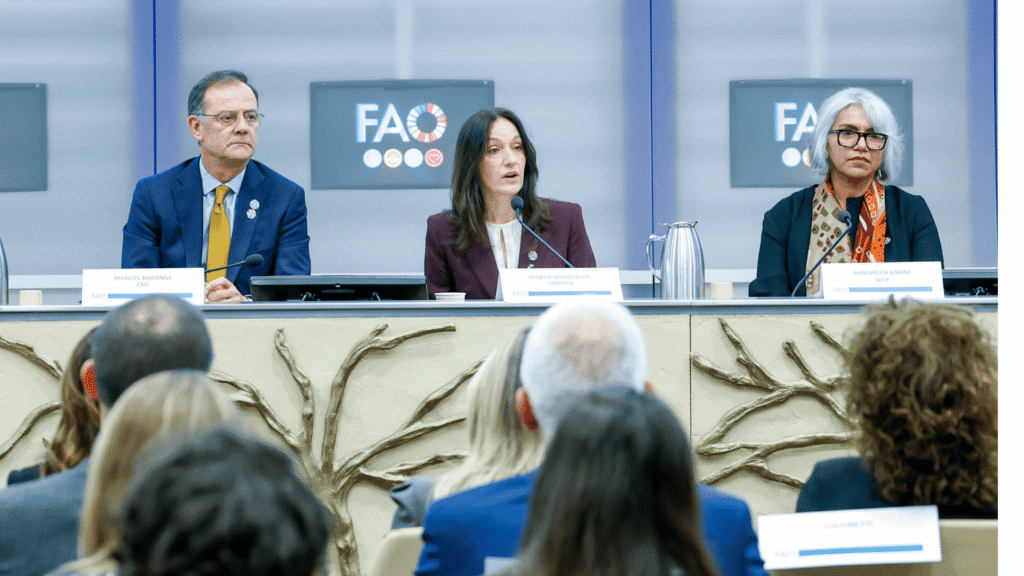
Rural women play a decisive role in feeding the world, yet their work often remains invisible, undervalued and constrained by systemic inequalities. An international dialogue held in connection with International Women’s Day and the International Year of the Woman Farmer, highlighted both the challenges rural women farmers face and the transformative potential they hold for building more sustainable and equitable agrifood systems.
Women at the heart of food systems
Across the globe, women are central actors in the whole value chain. Beyond production, rural women sustain local economies, preserve biodiversity and maintain the social fabric of rural communities. Despite these contributions, their work frequently remains informal, underpaid or invisible within official agricultural statistics and policies.
The inequalities they face are stark. Rural women farmers often encounter restricted land and inheritance rights, limited access to finance and technology, and persistent discrimination that frequently goes unchallenged. Yet evidence consistently shows that empowering women in agriculture benefits entire communities. Accordint to the United Nations shows that If women had the same access to productive resources as men, farm yields could increase by 20–30 per cent, feeding an additional 100 to 150 million people.
Sweden’s commitment to gender equality in agriculture
Sweden is a strong advocate for gender equality in global food and agriculture policy. Gender equality is a cornerstone of Swedish society and a key priority in its international development cooperation. In multilateral forums and partnerships, Sweden has supported initiatives that promote equal access to productive resources, leadership opportunities and decision-making within food systems.
This commitment aligns with international efforts such as the Voluntary Guidelines on Gender Equality and Women’s and Girls’ Empowerment in the Context of Food Security and Nutrition, emphasising the importance of gender-responsive policies that address structural discrimination while ensuring women’s access to land, finance, markets and technology.
Beyond policy frameworks, experience from many countries shows that collective action is one of the most powerful tools for advancing rural women’s rights. Women’s cooperatives, farmers’ organisations and grassroots networks have helped women gain access to agricultural inputs, improve market connections and strengthen their bargaining power. Through organisation and solidarity, women farmers are increasingly making their voices heard in policy debates that shape the future of agriculture.