In today’s world, thriving often means rushing to the office early in the morning, with barely enough time to prepare breakfast. Lunch becomes a quick one-hour break, just enough to eat, but rarely enough time to think about where our food comes from. In this fast-paced modern life, productivity is often measured by how quickly we move, and this mindset has shaped the way we live–and eat. Our meals increasingly come from fast-food chains and industrial food systems designed to meet the demands of convenience. But these large-scale solutions to human needs also drive biodiversity loss, climate change, and food insecurity.
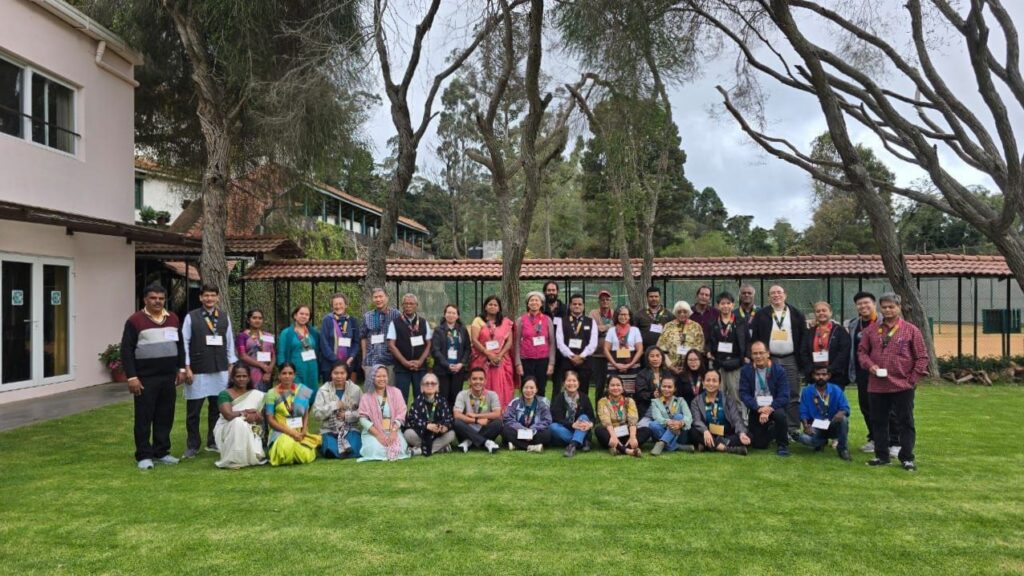
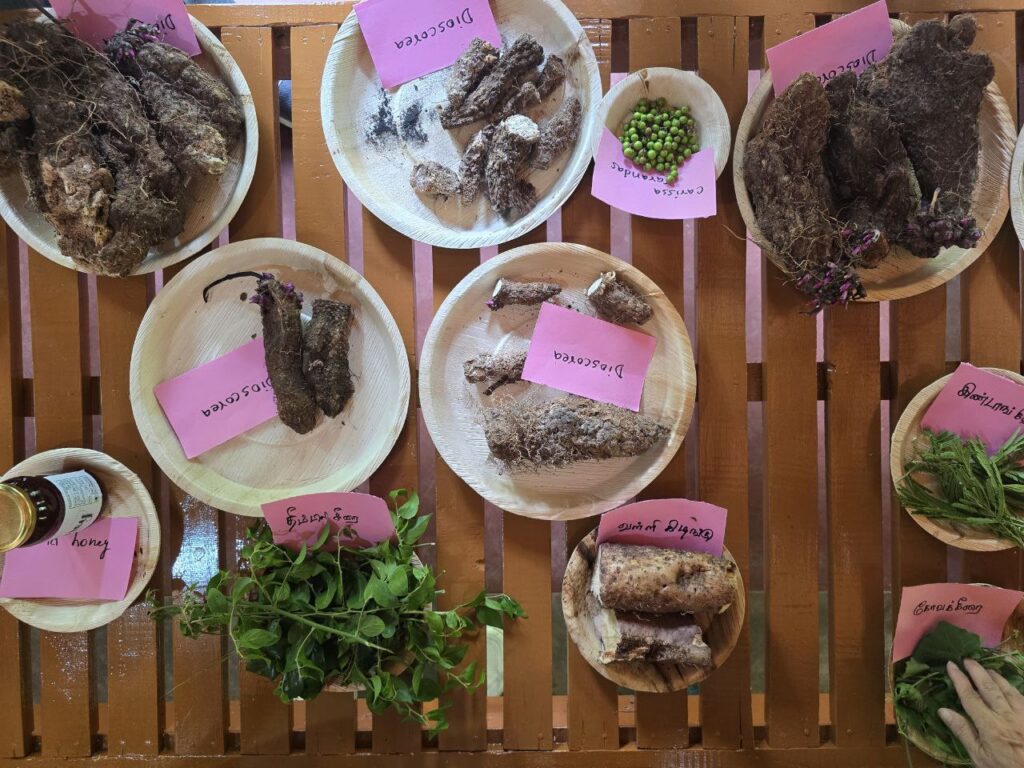
Wild foods – uncultivated foods, primarily from forests, such as edible plants, mushrooms, fruit – can address all three of these modern issues. Here we share five of the most transformative ways traditional wild food systems can support biodiversity, mitigate the effects of climate change, and support food security shared by communities from the Philippines, India, Vietnam, Indonesia, Cambodia, and Malaysia at last year’s BERSAMA gathering.