Why goat health is important for rural livelihoods
Although I did not grow up in a community that kept livestock, my veterinary training and subsequent PhD research revealed the vital role goats play in supporting rural livelihoods in Zambia. Through extensive fieldwork and close interactions with farmers, I came to appreciate how goats serve as a cornerstone of household resilience by providing income for school fees, meeting daily needs, and acting as a safety net during difficult times. These experiences highlighted the importance of improving goat health as a pathway to strengthening rural resilience.
Climate change and emerging disease challenges
As I learned more about the challenges facing goat farmers, it became clear that climate change is reshaping the risks they face. Diseases like Rift Valley fever, brucellosis, heartwater, mange, and heavy parasite burdens are closely linked to changes in rainfall patterns, drought cycles, and tick movement. These shifts increase pressure and make outbreaks harder to predict, making it harder for farmers to protect their animals before problems worsen.
As a veterinarian and PhD student focusing on infectious diseases in goats, I realized that scientific knowledge alone would not be enough. What mattered most was whether farmers could understand and apply practical solutions in their daily management. Recognizing this gap between research and practice motivated me to apply for the SIANI-SLU Global Communication Grant.
From research to practice: designing the project
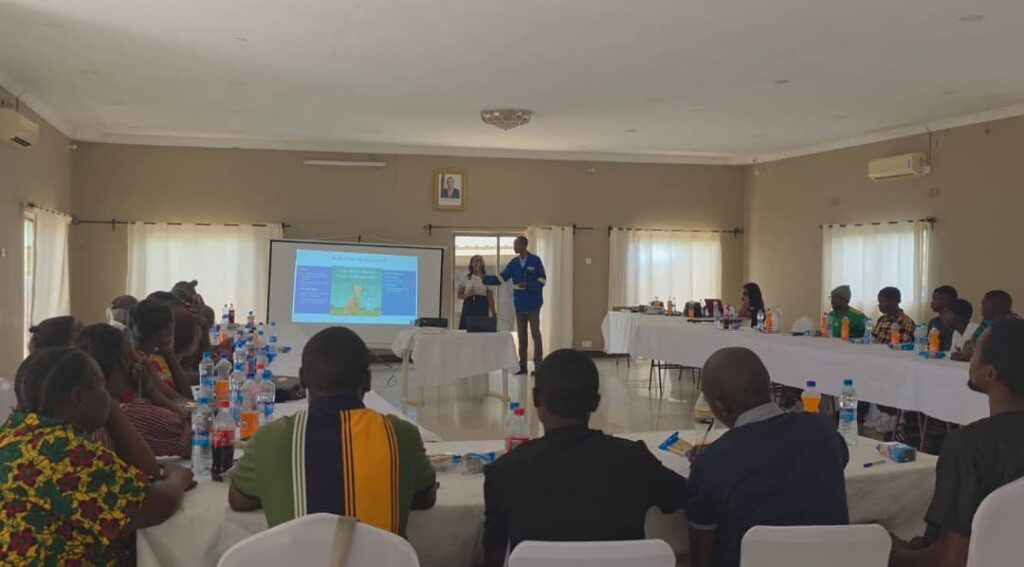
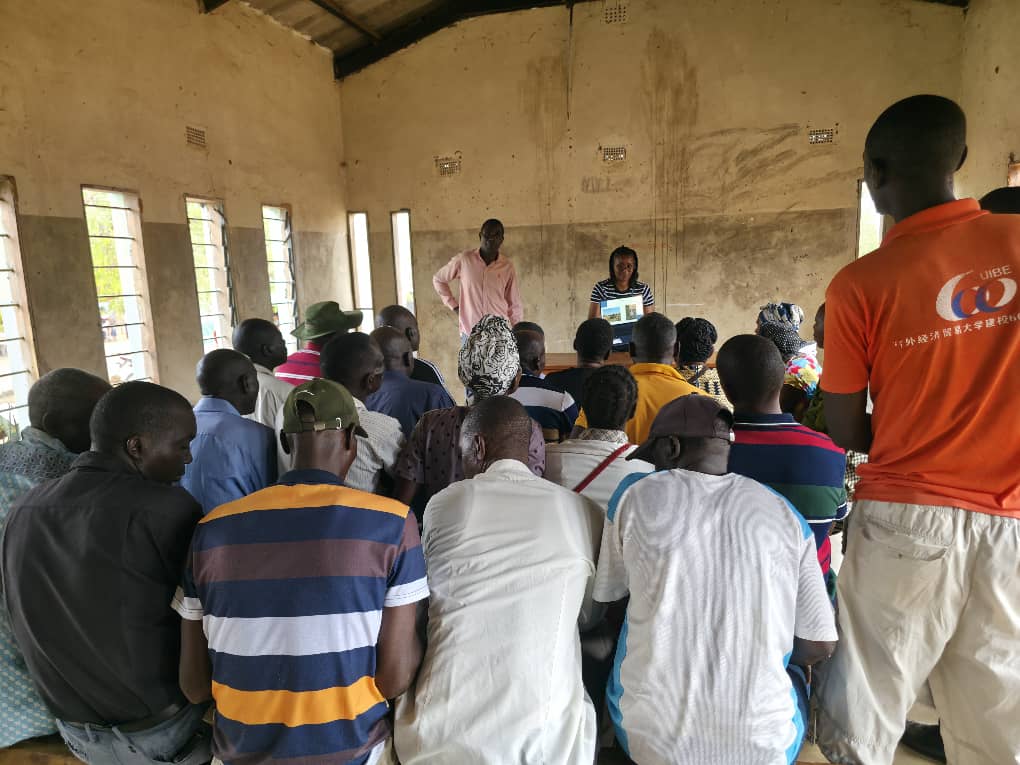
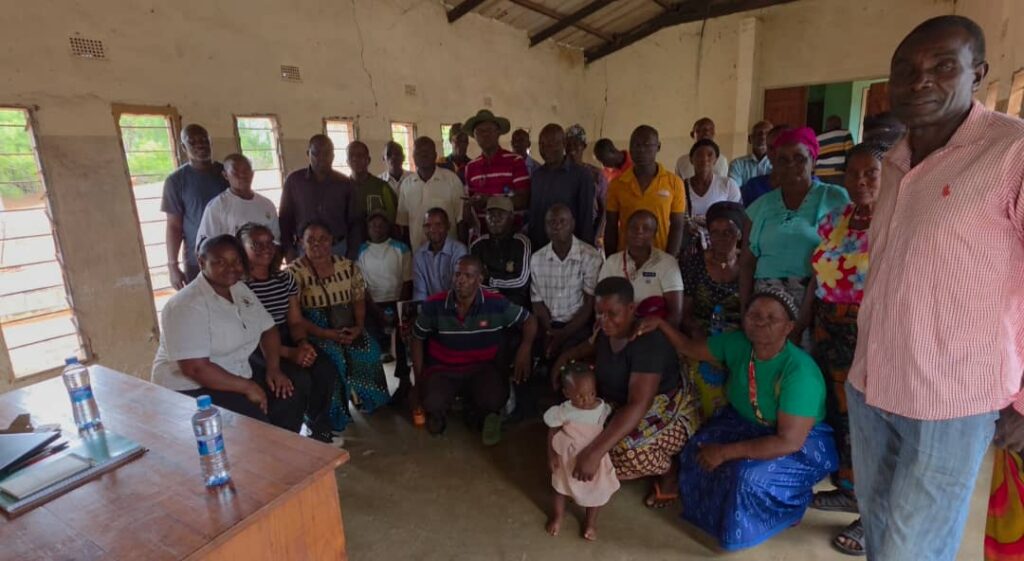
Securing the SIANI-SLU Global Communication Grant allowed me to translate my research into meaningful engagement with the farmers. The project aimed to bridge scientific knowledge with farmers’ practical needs in managing goat diseases. Supported by the grant, I collaborated with the University of Zambia and the Swedish University of Agricultural Sciences to conduct participatory workshops in Central and Southern provinces where goats are essential for income and food security, but remain highly vulnerable to climate-related infections.