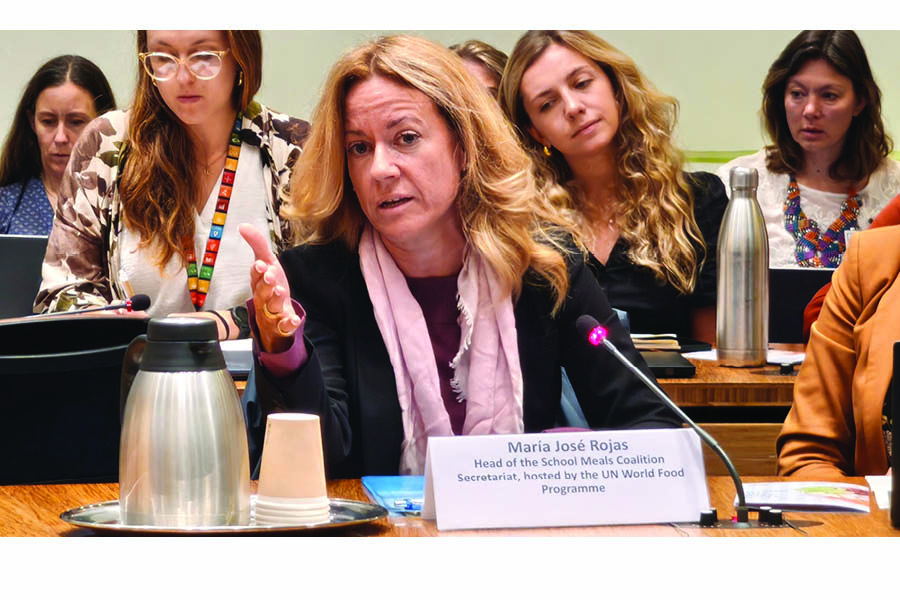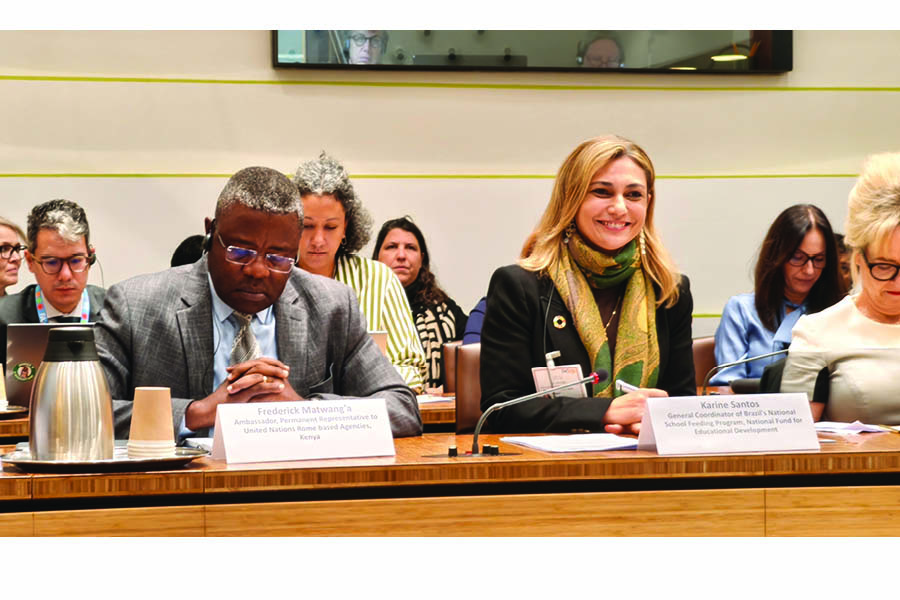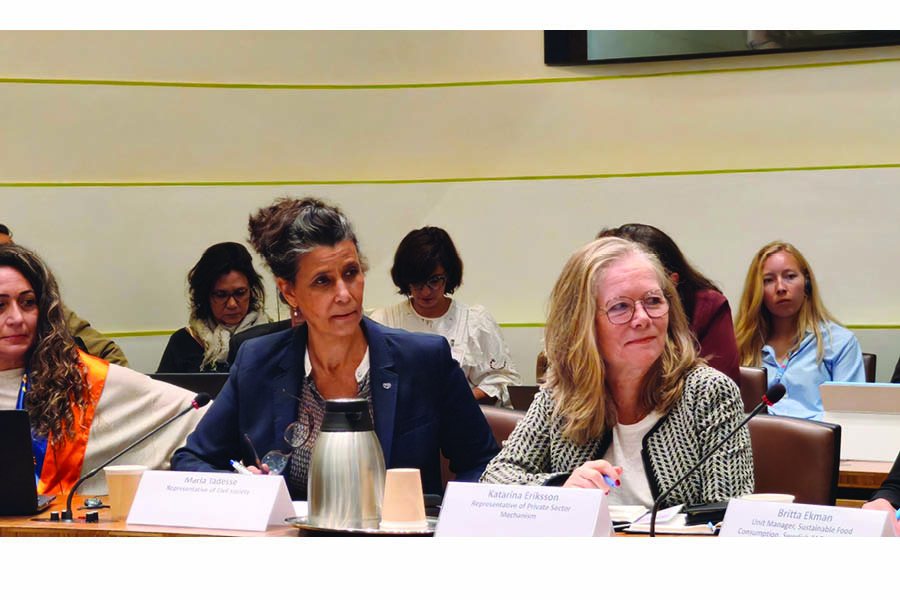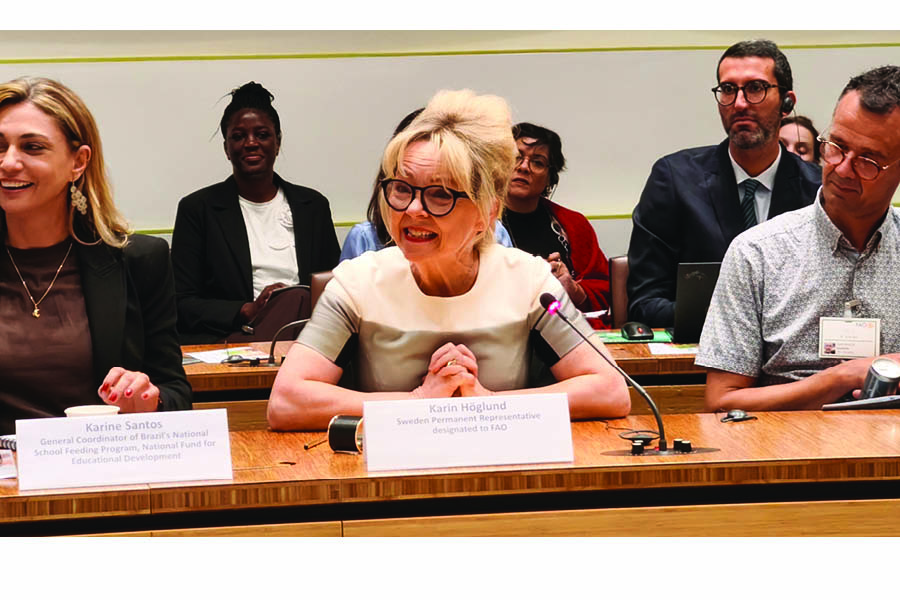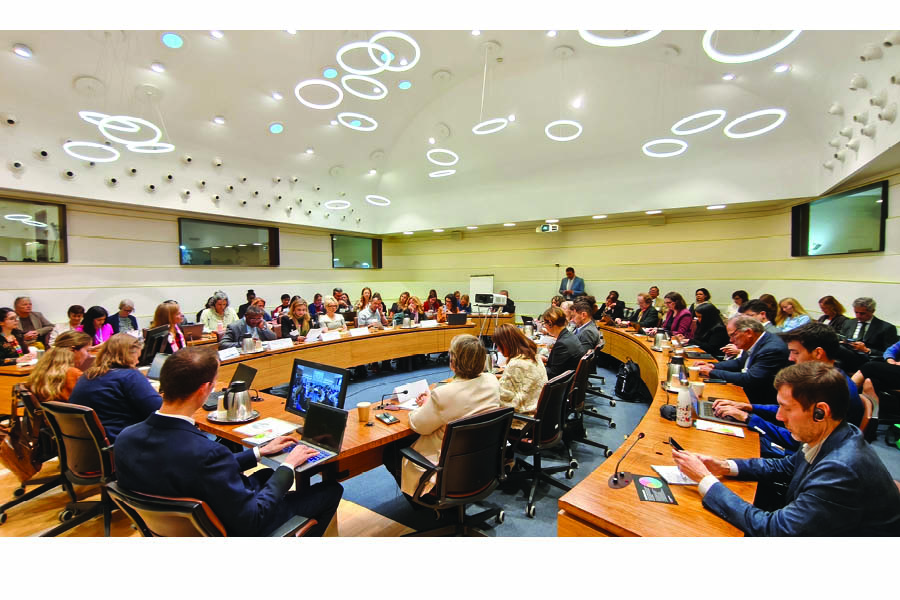
The global agenda for food security and nutrition increasingly recognises school meal programmes as essential to achieving the Sustainable Development Goals (SDGs), particularly SDG 2. The discussions during the Swedish World Food Day celebration in 2024 echoed the global dialogue taking place at the Committee on World Food Security (CFS) side event, “Investing in the future: Building partnerships and strengthening financing for healthier School Meals Programmes”. Both platforms highlighted the need for multi-sector collaboration by uniting governments, development partners, and the private sector to ensure sustainable and inclusive school meal systems. Specifically, the CFS’s side event explored practical approaches to the sustainable implementation of these programmes, with a focus on long-term financing, robust partnerships, and scalable country programmes.
From political will to practical action
The event brought together representatives from FAO, Brazil, Kenya, Sweden and global alliances – each highlighting how political commitment is turning into practical solutions. As Maximo Torero, FAO Chief Economist, shared, global investments in school meals reached nearly USD 50 billion in 2022. Today, around 418 million children benefit from these programmes, up from 380 million just a few years ago, demonstrating both the scale and momentum.
A School Meals Coalition (SMC) was launched in 2021. It now unites 91 member states and over 140 partners, underscoring school meals as a strategic investment both in education, health, and economic resilience, even during a crisis.