
Skip to content
Start of page content below the header
Blog Post
23 December 2025

Bridging science and practice for goat farmers in Zambia

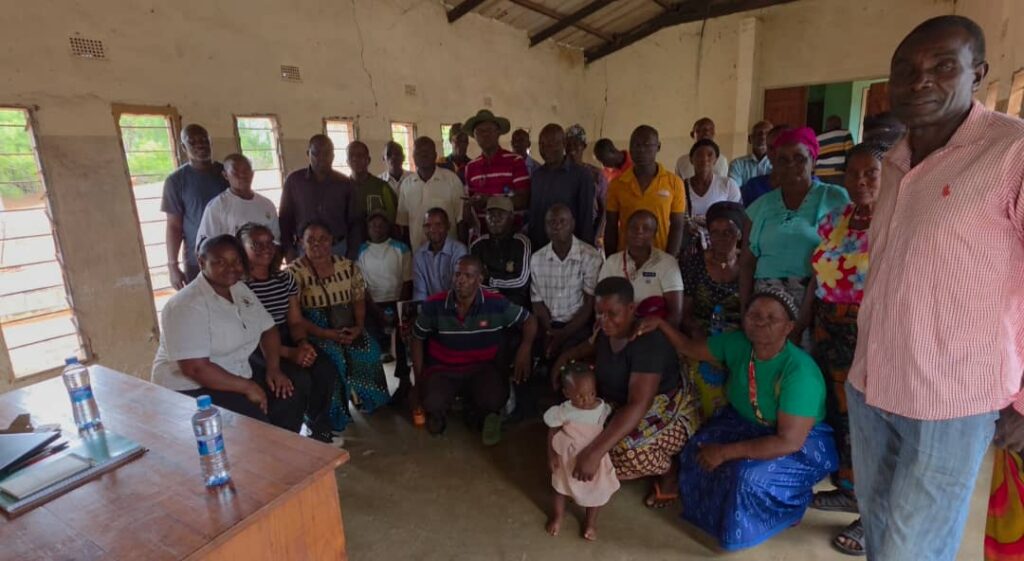
Group photo with farmers and veterinary officers after the training. Photo: N. Nanguna

Why goat health is important for rural livelihoods

Although I did not grow up in a community that kept livestock, my veterinary training and subsequent PhD research revealed the vital role goats play in supporting rural livelihoods in Zambia. Through extensive fieldwork and close interactions with farmers, I came to appreciate how goats serve as a cornerstone of household resilience by providing income for school fees, meeting daily needs, and acting as a safety net during difficult times. These experiences highlighted the importance of improving goat health as a pathway to strengthening rural resilience.

Climate change and emerging disease challenges

As I learned more about the challenges facing goat farmers, it became clear that climate change is reshaping the risks they face. Diseases like Rift Valley fever, brucellosis, heartwater, mange, and heavy parasite burdens are closely linked to changes in rainfall patterns, drought cycles, and tick movement. These shifts increase pressure and make outbreaks harder to predict, making it harder for farmers to protect their animals before problems worsen.

As a veterinarian and PhD student focusing on infectious diseases in goats, I realized that scientific knowledge alone would not be enough. What mattered most was whether farmers could understand and apply practical solutions in their daily management. Recognizing this gap between research and practice motivated me to apply for the SIANI-SLU Global Communication Grant.

From research to practice: designing the project

Securing the SIANI-SLU Global Communication Grant allowed me to translate my research into meaningful engagement with the farmers. The project aimed to bridge scientific knowledge with farmers’ practical needs in managing goat diseases. Supported by the grant, I collaborated with the University of Zambia and the Swedish University of Agricultural Sciences to conduct participatory workshops in Central and Southern provinces where goats are essential for income and food security, but remain highly vulnerable to climate-related infections.
Interactive workshops grounded in local context

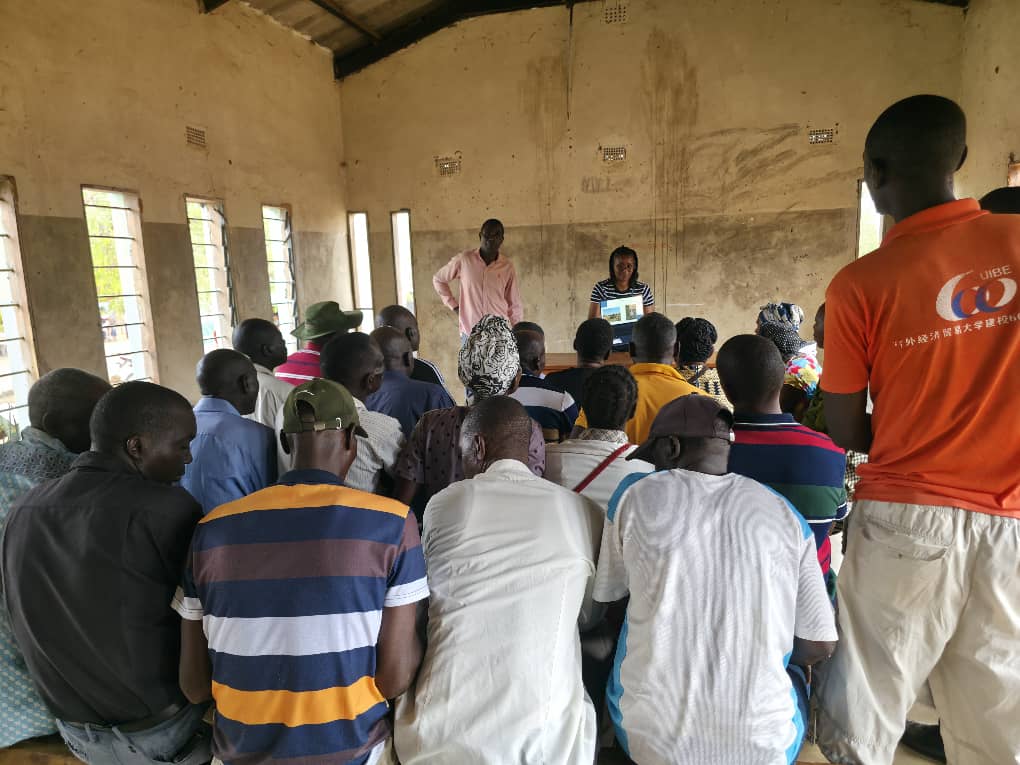
Farmers listening during a goat health discussion in Serenje District. Photo: N. Nanguna

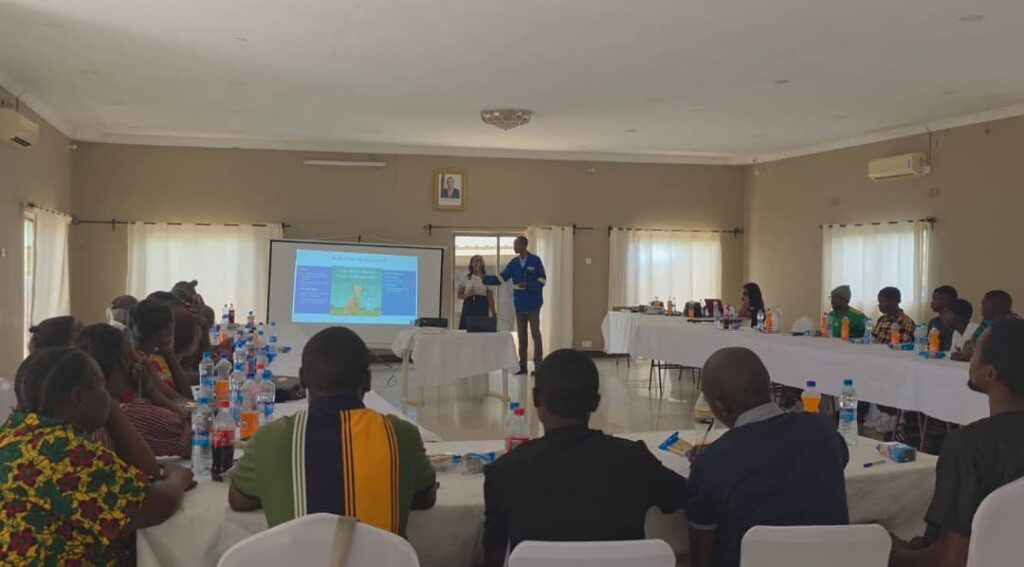
Understanding the local context helped shape the way the workshops were designed. In total, three workshops were conducted, reaching around 91 farmers, with each lasting half a day. Instead of relying on formal lectures, the workshops used interactive methods like group discussions, visual demonstrations, and question-and-answer sessions.

Farmers were encouraged to share their existing knowledge, traditional practices, and local observations, and I listened carefully. This participatory approach helped me present scientific concepts in ways that made sense within farmers’ daily experiences and management realities.

Learning through dialogue and shared experiences

One topic that generated particularly strong discussion was deworming. Many farmers explained that they had relied on a single medication for years without knowing that worms can develop resistance. When I explained the importance of rotating dewormers and using treatments correctly, farmers immediately understood why treatments sometimes failed.

Several participants also shared that they rarely receive training explicitly focused on goat health, and some said this was the first time anyone had visited their community to discuss goats. Their openness to learning reminded me that farmers are not passive recipients of information but active partners in improving animal health. their insights are essential for designing solutions that work in real-life settings.

Communicating key messages in local languages

Farmers reviewing goat health pictures on the laptop during the workshop. Photo: N. Nanguna

Recognizing the importance of accessible information, this strong engagement motivated me to find clearer ways to communicate key messages. I developed simple infographics in Tonga and Bemba, the local languages spoken in the visited provinces. These materials used illustrations and short sentences to highlight practices such as regular deworming, effective tick control, improved goat houses, and early disease reporting.

Many farmers said it was their first time receiving information in an easy-to-understand format. Women and youth actively participated in the discussions, sharing the challenges they face in caring for goats at the household level.

Strengthening one health and local partnerships

These interactions reinforced that communication is not an afterthought in research but a foundation for impact. Knowledge that remains in academic journals has limited value for the communities that need it most. Knowledge shared through dialogue, local languages, and simple visuals can directly influence daily practices and improve animal health outcomes.

The workshops also supported Zambia’s National One Health Strategic Plan (2022-2026) by strengthening connections between communities, veterinary officers, and researchers. District Veterinary Officers who attended expressed interest in integrating the materials into their routine extension work, helping ensure the project’s impact continues beyond the workshops.

Clear impact through accessible communication

What motivated me most was the enthusiasm of young farmers and women. Many expressed interest in goat production as a business and asked practical questions about how to improve management to increase productivity and income. Their engagement highlighted the important role youth and women can play in building sustainable food systems.

In the future, I plan to expand these workshops to additional districts and integrate them into ongoing livestock and One Health programs. Alongside these plans, I am finalizing a documentary and continuing to distribute the communication materials developed through the project.

This project has already contributed to increased awareness of disease prevention, earlier adoption of deworming and tick control practices, and stronger collaboration between farmers and veterinary officers. It has been shown that when science is communicated clearly, respectfully, and in culturally relevant ways, it can meaningfully influence behaviour and strengthen livelihoods.

I am deeply thankful to SIANI and SLU Global for supporting this work and helping ensure that research reaches the communities that need it most.

ABOUT THE AUTHOR

Bertha Chitambo is a veterinarian and PhD student studying climate-related and production-linked infectious diseases in goats at the University of Zambia. Her PhD project is funded by Formas, the Swedish Research Council for Sustainable Development (Grant no. 2022-02417).