
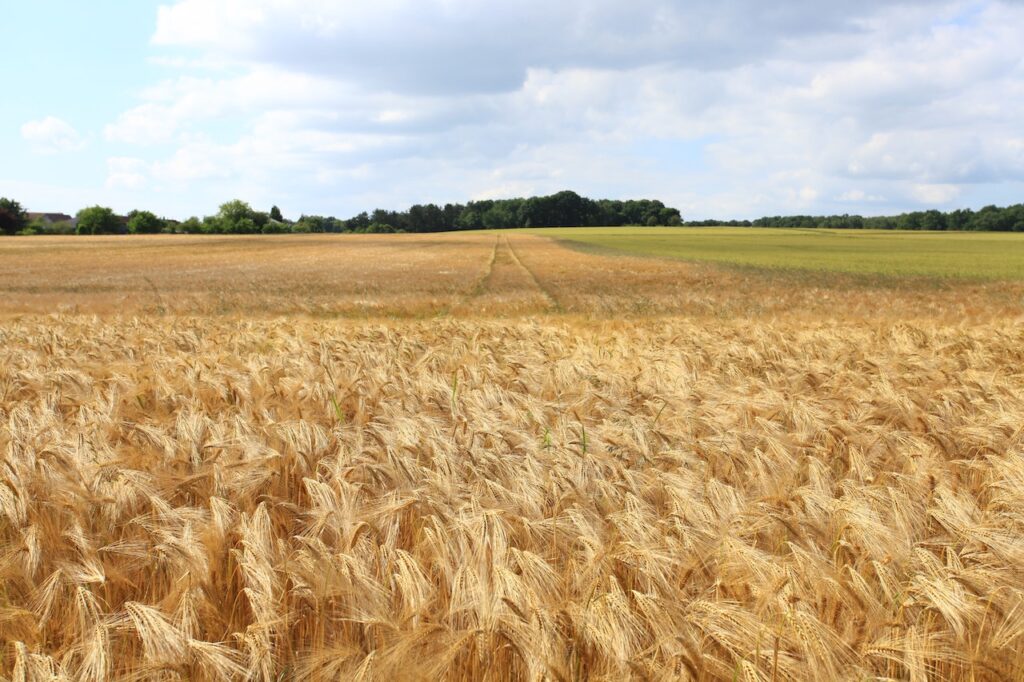
Global food demand continues to rise with population growth, while crop productivity and yield stability are increasingly challenged under increasing climatic variability. The Royal Swedish Academy of Agriculture and Forestry (KSLA), in collaboration with the Bertebos Foundation, arranges this symposium to highlight how integrating advances in science and breeding can contribute to meeting global food demand as production environments become more variable and constrained. The symposium will explore how scientific innovation can be translated into resilient crop cultivars that generate tangible benefits for society.
This symposium focuses on wheat and related crops to examine how closer integration of science, technology and breeding can help minimize the yield gap. The program spans genetic discovery, gene bank conservation, and trait development, as well as the broader societal context in which new cultivars are deployed, including industry, policy, and food value chains. Professor Curtis Pozniak’s research has played a pivotal role in advancing wheat breeding through the development of resistant, high yielding varieties adapted to diverse production environments.
Registration on https://dinkurs.se/101310